

Aluminium Extrusion for EV Battery Enclosures
- By:Naview
- Date:2026-08-13
Aluminium extrusion for EV applications is reshaping automotive manufacturing. Electric vehicles use approximately 25 percent more aluminium than internal combustion vehicles, and the global automotive aluminium extrusion market is growing at 15 percent annually through 2030. From battery enclosures to crash structures, extruded aluminium profiles enable the lightweighting that EV range and efficiency demands. This guide covers the alloys, design considerations, and manufacturing processes that matter to automotive engineers and procurement teams.
Why EVs Drive Aluminium Extrusion Demand
Electric vehicles face a fundamental physics challenge: battery packs are heavy. A typical EV battery pack weighs 300 to 600 kg, adding significant mass compared to a fuel tank and engine. To offset this weight and preserve driving range, automakers substitute steel with aluminium wherever possible. Extruded aluminium profiles offer the best strength-to-weight ratio for structural applications, making them indispensable in EV platform design.
The numbers tell the story. A conventional internal combustion vehicle uses about 180 kg of aluminium. An equivalent EV uses over 250 kg, with extruded profiles accounting for roughly 40 percent of that total. As global EV production scales toward 40 million units annually by 2030, the demand for automotive aluminium extrusion will multiply accordingly.
Key EV Applications for Extruded Aluminium
Battery Enclosures and Trays
The battery enclosure is the single most demanding aluminium extrusion application in an EV. It must protect the battery pack from impact, manage thermal loads, provide structural rigidity to the vehicle floor, and weigh as little as possible. Most EV battery enclosures use a combination of extruded aluminium side rails, cross members, and plates.
Tesla has gone further, developing proprietary extrusion profiles for structural battery packs where the battery itself becomes part of the vehicle structure. This design requires extrusions with precise multi-cavity cross-sections, tight tolerances of plus or minus 0.2 mm, and 6000-series alloys heat-treated to T6 temper for maximum strength.
Chassis and Structural Frames
EV platforms increasingly use extruded aluminium space frames instead of stamped steel unibodies. BMW’s iX, Audi’s e-tron, and Rivian’s R1T all use extruded aluminium frame members. The advantages include 35 to 40 percent weight reduction versus steel, improved crash energy absorption through controlled deformation, and the ability to create complex cross-sections that integrate mounting points, cable channels, and cooling passages in a single profile.
Crash Management Systems
Front and rear crash structures use extruded aluminium profiles designed to deform progressively under impact. 6005A and 7003 alloys are common choices, offering high specific energy absorption. The extrusion process allows engineers to vary wall thickness along the profile length, creating crumple zones that absorb energy without adding unnecessary weight to non-critical sections.
Cooling Systems
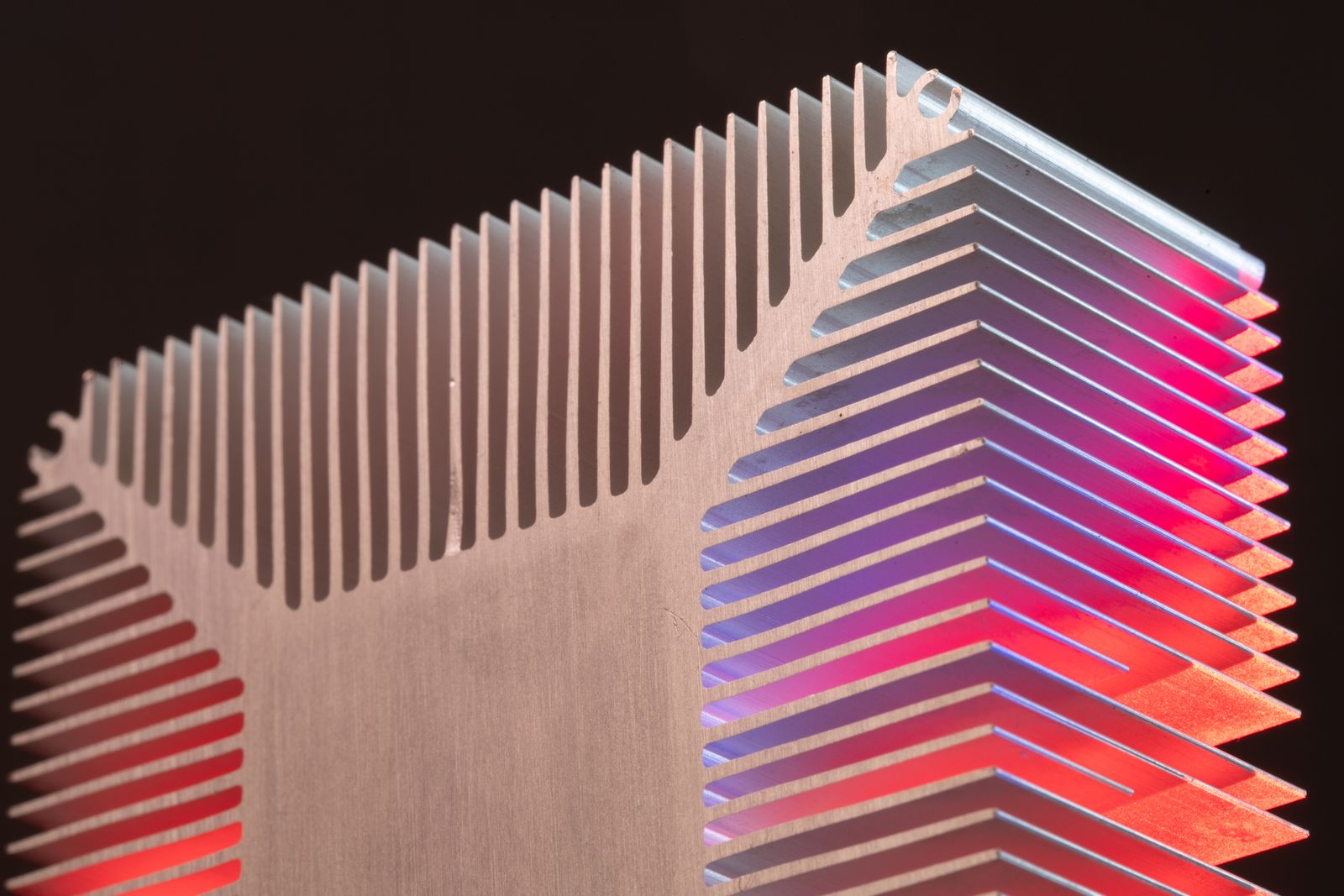
Battery cooling plates, often made from extruded aluminium with internal flow channels, are critical for thermal management. These profiles feature multi-port extrusion (MPE) cross-sections with internal walls as thin as 0.5 mm. The extrusion process is the only practical way to produce these complex internal geometries at scale.
Alloy Selection for EV Extrusions
| Alloy | Tensile Strength | Key Properties | Typical EV Application |
|---|---|---|---|
| 6063-T6 | 215 MPa | Excellent extrudability, good surface finish | Interior trim, non-structural brackets |
| 6061-T6 | 310 MPa | High strength, good weldability | Battery trays, chassis cross members |
| 6005A-T6 | 270 MPa | Balanced strength and extrudability | Crash structures, frame rails |
| 7003-T6 | 350 MPa | High energy absorption | Bumper beams, crash boxes |
For most EV structural applications, 6061 and 6005A provide the best combination of strength, weldability, and cost. NA-VIEW’s 6 extrusion lines process all common 6000-series alloys with spectrometer verification of every billet charge.
Design Considerations for EV Aluminium Extrusions
Wall Thickness Optimisation
EV profiles often feature variable wall thickness within a single cross-section. Critical load paths may require 3 to 4 mm walls, while non-structural areas can be thinned to 1.5 mm to save weight. This design approach, called differential wall extrusion, requires precision die design and tight process control to maintain dimensional accuracy.
Multi-Cavity Cross-Sections
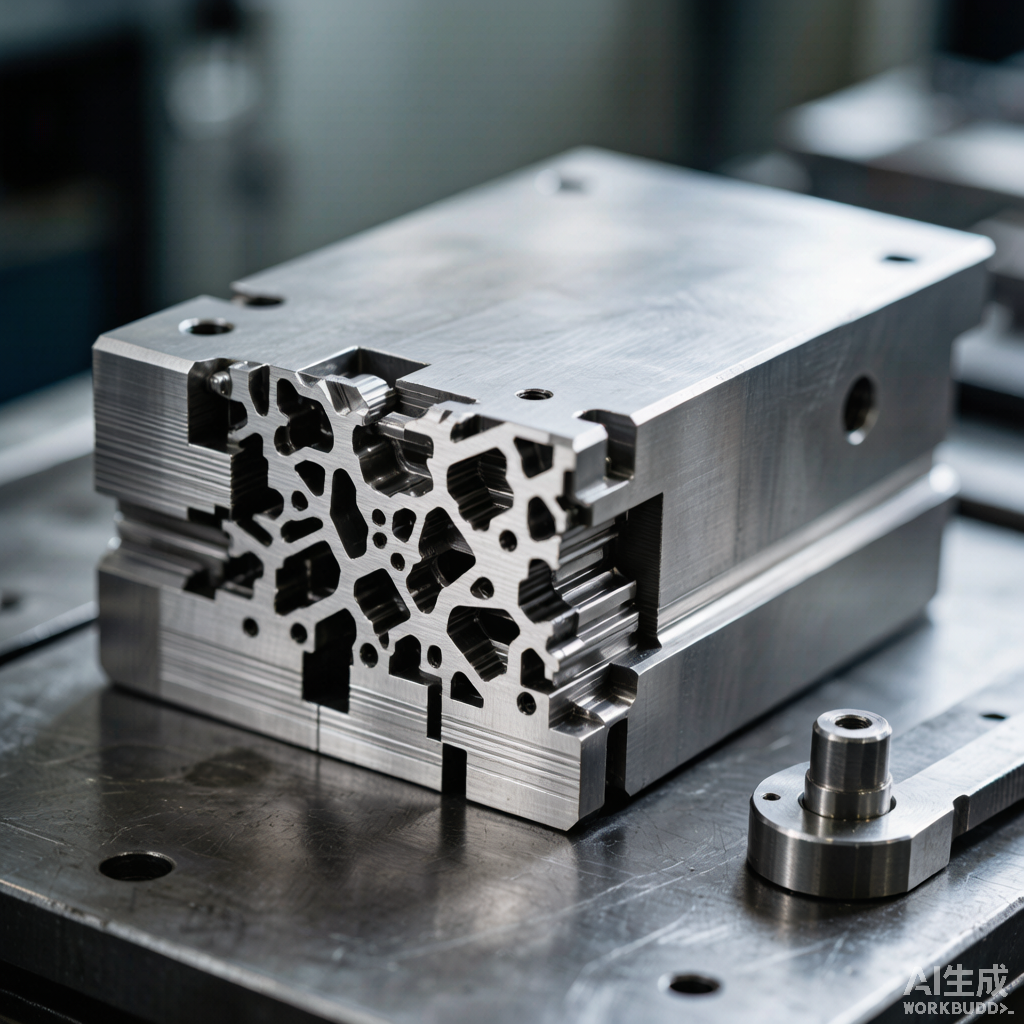
Battery enclosure profiles frequently incorporate internal cavities for cable routing, coolant channels, or weight reduction. These multi-cavity designs demand hollow extrusion dies with porthole or bridge construction. The die complexity increases tooling cost but enables functional integration that reduces part count and assembly time.
Tolerance Requirements
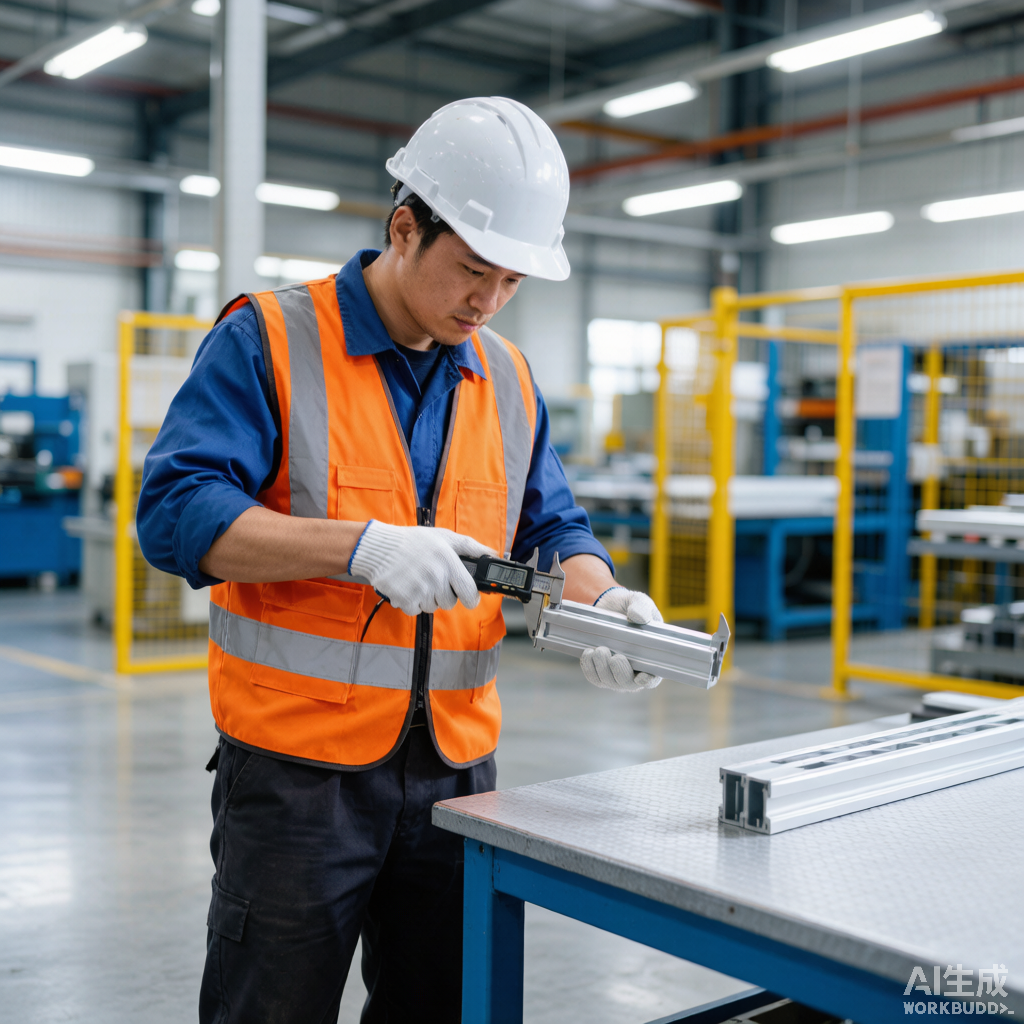
Automotive extrusions demand tighter tolerances than architectural profiles. Standard EN 755-9 tolerances may be insufficient for battery enclosure mating surfaces. NA-VIEW holds plus or minus 0.5 mm on standard profiles and can achieve plus or minus 0.2 mm on critical dimensions with in-line laser measurement and closed-loop press control.
Surface Quality for Structural Adhesives
EV structural assemblies increasingly use adhesive bonding instead of welding. Adhesive performance depends on surface preparation. Extrusions for bonding applications require controlled surface roughness and may need pretreatment (chromating or anodising) before adhesive application.
Sustainability: Recycled Content in Automotive Extrusions
Major OEMs now require recycled aluminium in EV components. BMW targets 50 percent recycled content by 2030. Volkswagen aims for 30 percent. This push drives demand for recycled aluminium extrusion with verified carbon footprint documentation. Recycled billets reduce CO2 emissions by up to 95 percent compared to primary aluminium, directly lowering the vehicle lifecycle carbon footprint.
For European exports, CBAM compliance adds another layer of requirement. Extrusions produced from recycled material face significantly lower CBAM costs, making them economically competitive despite the additional sorting and certification infrastructure.
Manufacturing Capabilities at NA-VIEW
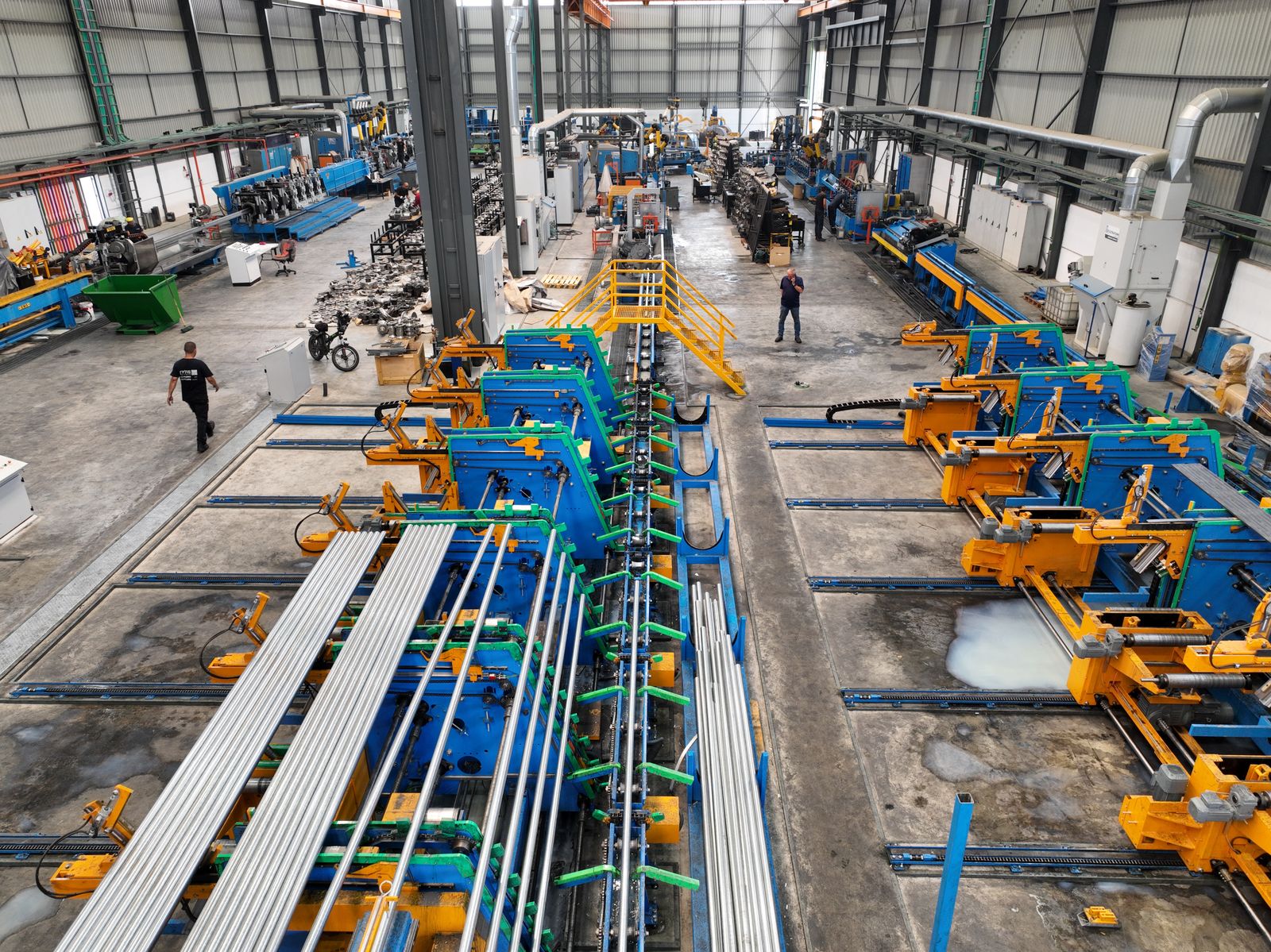
NA-VIEW operates 6 extrusion lines producing over 500 profiles per day for automotive and industrial applications. Our capabilities include:
- Billet sizes from 127 mm to 254 mm diameter
- Profile cross-sections up to 300 mm circle size
- Wall thickness from 0.8 mm to 10 mm
- Tolerances of plus or minus 0.5 mm standard, plus or minus 0.2 mm on request
- In-line quenching for T5 and T6 tempers
- Spectrometer alloy verification on every billet
- ISO 9001 certified quality management
For automotive projects, we provide 7-day drawing turnaround, 3-day sample prototyping, and free physical samples for testing. Our engineering team supports design optimisation, extrusion design guidelines, and DFM feedback to reduce tooling cost and improve manufacturability.
Common Questions About Aluminium Extrusion for EV
How much aluminium does an EV use compared to a gasoline car?
An electric vehicle uses approximately 250 to 300 kg of aluminium, compared to about 180 kg in a comparable internal combustion vehicle. Extruded profiles account for roughly 40 percent of that total, primarily in battery enclosures, chassis structures, and cooling systems.
Can extruded aluminium battery enclosures pass crash tests?
Yes. Extruded aluminium battery enclosures are designed to meet FMVSS and UN R100 side-pole impact requirements. 6005A and 6061-T6 alloys provide the strength and energy absorption needed. Many production EVs, including Tesla Model 3 and BMW iX, use extruded aluminium battery enclosures that pass all global crash standards.
What are the payment terms for automotive aluminium profiles?
NA-VIEW accepts T/T, L/C, and PayPal. For automotive production contracts, we recommend L/C at sight or 30 percent deposit with balance against B/L copy. Long-term supply agreements can include milestone payments tied to PPAP approval and SOP.
What is the lead time for custom EV extrusion profiles?
From drawing approval to first sample: 7 days for drawing review, 3 days for prototype samples, 25 to 35 days for production batch. Die development takes 10 to 15 days for new cross-sections. Existing dies can ship within 15 to 20 days.
How are automotive extrusions packaged for export?
Profiles are separated by alloy and temper, wrapped in protective film with interleaving paper, packed in ISPM-15 wooden cases, and secured with steel strapping. Automotive-grade packaging includes rust inhibitor VCI paper for sea freight. Each case includes material certification, mill test report, and COA.
Conclusion
Aluminium extrusion for EV applications is not a future trend, it is the current reality of automotive manufacturing. Battery enclosures, chassis structures, crash management systems, and cooling plates all depend on extruded aluminium profiles to achieve the lightweighting that EV performance requires. As production volumes scale and sustainability requirements tighten, the ability to supply precision extrusions with recycled content and full carbon documentation will separate competitive suppliers from the rest.
NA-VIEW produces custom aluminium extrusions for automotive and industrial applications with 11 years of manufacturing experience. For EV project enquiries, contact our engineering team with your drawings and production requirements.
Learn more about extrusion tolerance standards and surface finishing options for automotive profiles. The aluminium Association provides automotive alloy specifications and design guidelines that complement this guide.
CONTACT US


Foshan Naview New Building Materials Co., Ltd.
We are always here offering customers our reliable products and service.
If you want to liaise with us now, please click contact us