
Powder Coating vs Anodizing: Aluminium Finishing
- By:Naview
- Date:2026-08-13
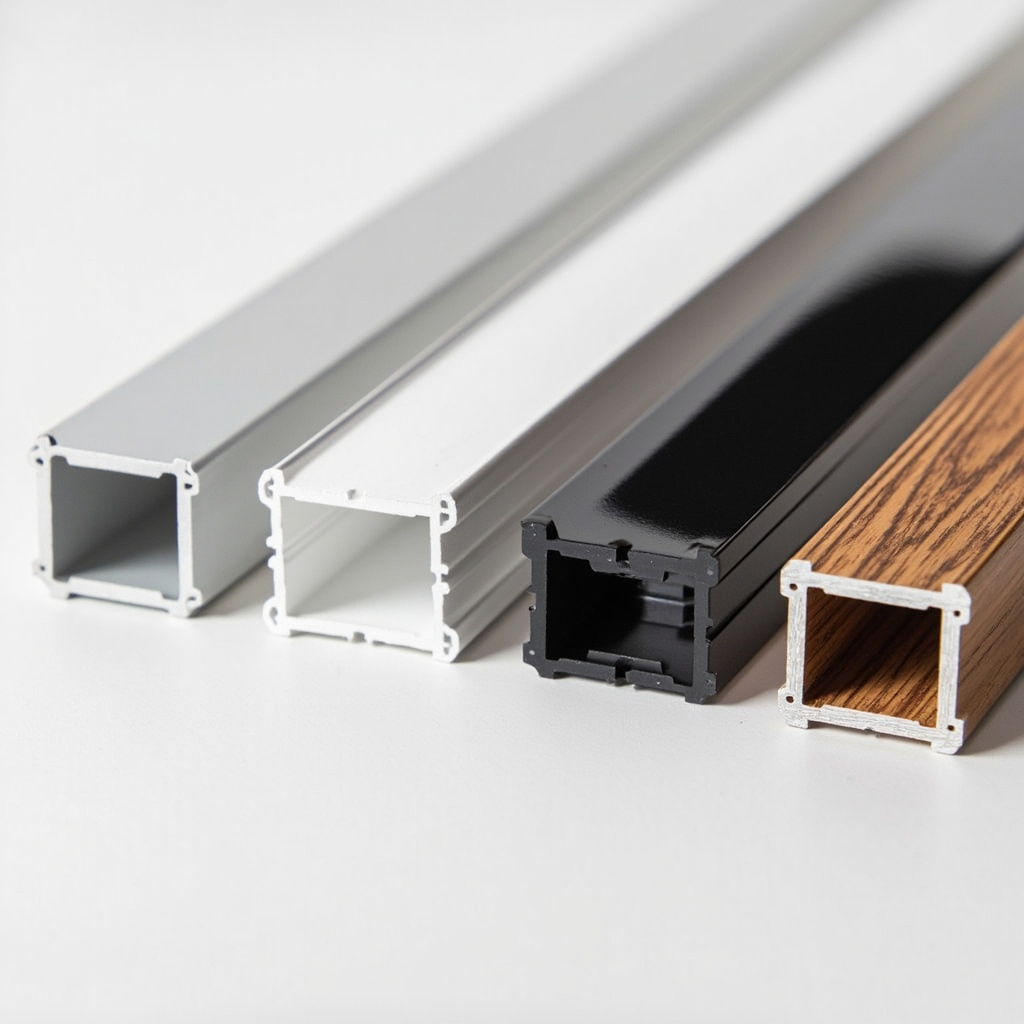
Choosing between powder coating and anodizing for aluminium profiles is one of the most common decisions in B2B procurement. Both processes improve corrosion resistance and aesthetics, but they differ fundamentally in how they bond to the aluminium surface, how long they last, and what they cost. This comparison helps you make the right call based on your project requirements, budget, and performance expectations.
How Each Process Works
Powder Coating
Powder coating involves spraying dry polyester or epoxy powder onto the aluminium surface, then curing it in an oven at 180–200°C. The powder melts, flows, and cross-links to form a continuous polymer film. The coating is mechanically bonded to the surface — it sits on top of the metal rather than integrating with it.
Before coating, profiles undergo chromate or chrome-free pre-treatment to improve adhesion. The entire process takes 30–45 minutes per batch and is compatible with virtually any aluminium alloy extrusion profile.
Anodizing
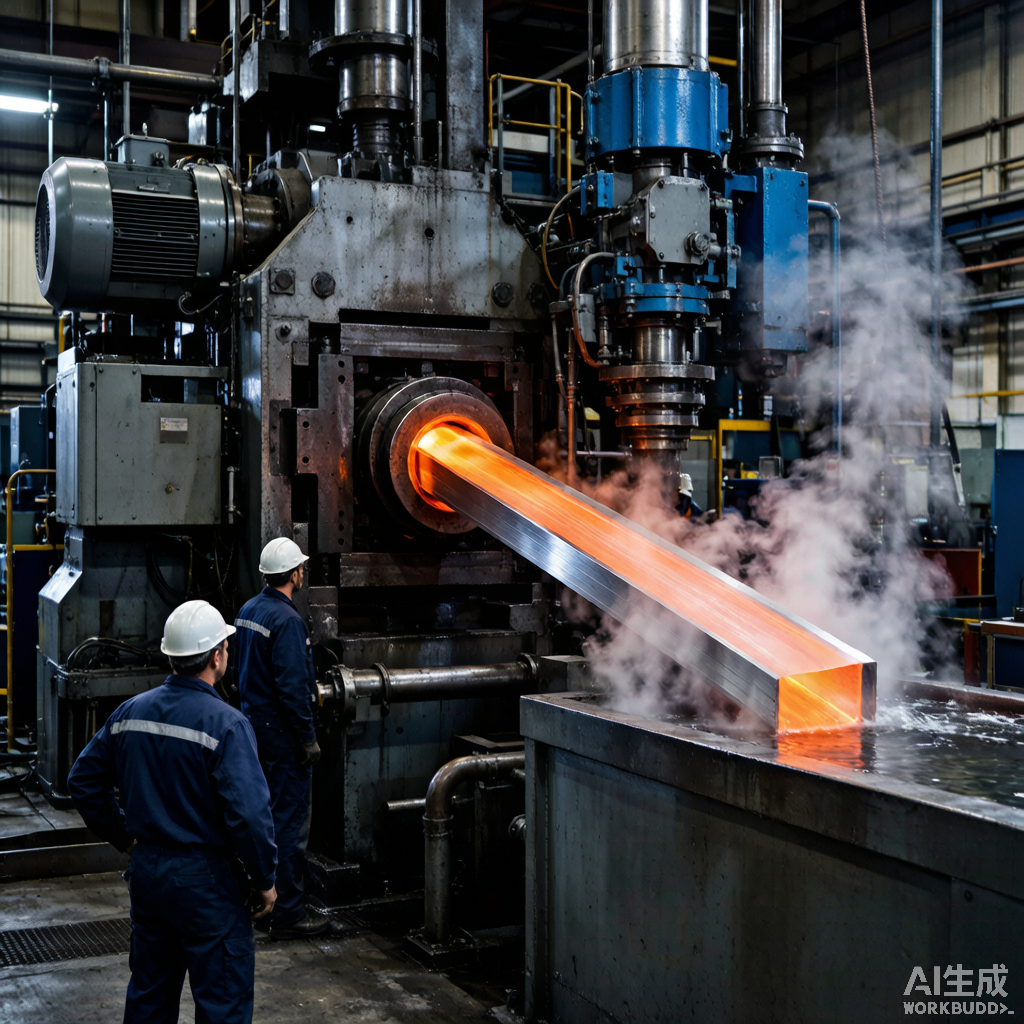
Anodizing is an electrochemical process that converts the aluminium surface into a hard, porous aluminium oxide layer. The profile is submerged in a sulphuric acid electrolyte and connected to an anode, causing oxygen ions to bond with aluminium atoms at the surface. The result is an integral oxide layer — it grows out of the metal itself and cannot peel or flake.
The standard anodizing thickness for architectural applications is 15–25 microns. After anodizing, the porous layer can be sealed in hot water or nickel acetate to close the pores and lock in any dye colour.
Side-by-Side Comparison
| Property | Powder Coating | Anodizing |
|---|---|---|
| Coating type | Organic polymer film (60–120 microns) | Aluminium oxide layer (10–25 microns) |
| Bonding mechanism | Mechanical adhesion | Integral (grown from metal) |
| Colour options | Unlimited (RAL, custom matches) | Limited (natural, bronze, black, champagne, gold tones) |
| Hardness | 1H–2H pencil hardness | 200–300 HV (much harder) |
| Scratch resistance | Moderate — can scratch under abrasion | Excellent — oxide is harder than the base metal |
| UV resistance | Good (polyester powder), fades over 10–15 years | Excellent — does not fade under UV |
| Corrosion resistance (salt spray) | 1,000–3,000 hours (AAMA 2604) | 3,000+ hours (with proper sealing) |
| Metallic appearance | Hides the metal — looks like paint | Enhances the metal — retains aluminium look |
| Cost (relative) | Lower | 15–30% higher |
| Repairability | Can be touched up with matching paint | Cannot be repaired in the field |
| Environmental impact | Low VOC, recyclable overspray | Uses acids, requires effluent treatment |
Best Applications for Each Finish
Choose Powder Coating When:
- You need a specific brand colour (RAL or Pantone match) — powder coating offers over 200 standard RAL colours plus custom matches
- The profiles are for indoor applications like industrial aluminium profiles used in equipment frames and enclosures
- Budget is a primary concern and the environment is not aggressively corrosive
- You want a matte, satin, or textured finish that hides minor surface imperfections
- The application involves thermal break profiles where a thicker coating helps mask the polyamide strip junction
Choose Anodizing When:
- The project is a high-end commercial building with curtain wall profiles that must maintain appearance for 20+ years
- UV exposure is intense — anodizing never fades, making it ideal for tropical and desert climates
- You want to preserve the natural metallic look of aluminium rather than covering it with paint
- The environment is coastal or industrial with high salt or chemical exposure
- Hardness and abrasion resistance are critical — anodized surfaces resist scratching far better than powder coat
Cost Comparison
At NA-VIEW, powder coating typically adds USD 0.30–0.80 per square metre to the profile cost, depending on colour complexity and batch size. Anodizing costs USD 0.50–1.20 per square metre, with the higher end reflecting thicker oxide layers (25 microns for coastal applications) and special colours like champagne or black.
For a typical aluminium profile order, surface treatment represents 8–15% of the total material cost. The difference between powder coating and anodizing on a 5,000 kg order can be USD 800–2,000, depending on profile surface area.
Durability and Warranty
Both finishes carry industry-standard warranties, but the terms differ:
- Powder coating (AAMA 2604): 10-year warranty on colour and gloss retention for architectural applications. AAMA 2605 upgrades this to 15 years with a PVDF-based powder.
- Anodizing (AAMA 611): Class I anodizing (25 microns) carries a 20–30 year warranty. The oxide layer is chemically stable and does not degrade under normal atmospheric conditions.
For reference, the American Architectural Manufacturers Association publishes detailed performance specifications that govern both finishes for commercial building applications.
Can You Use Both?
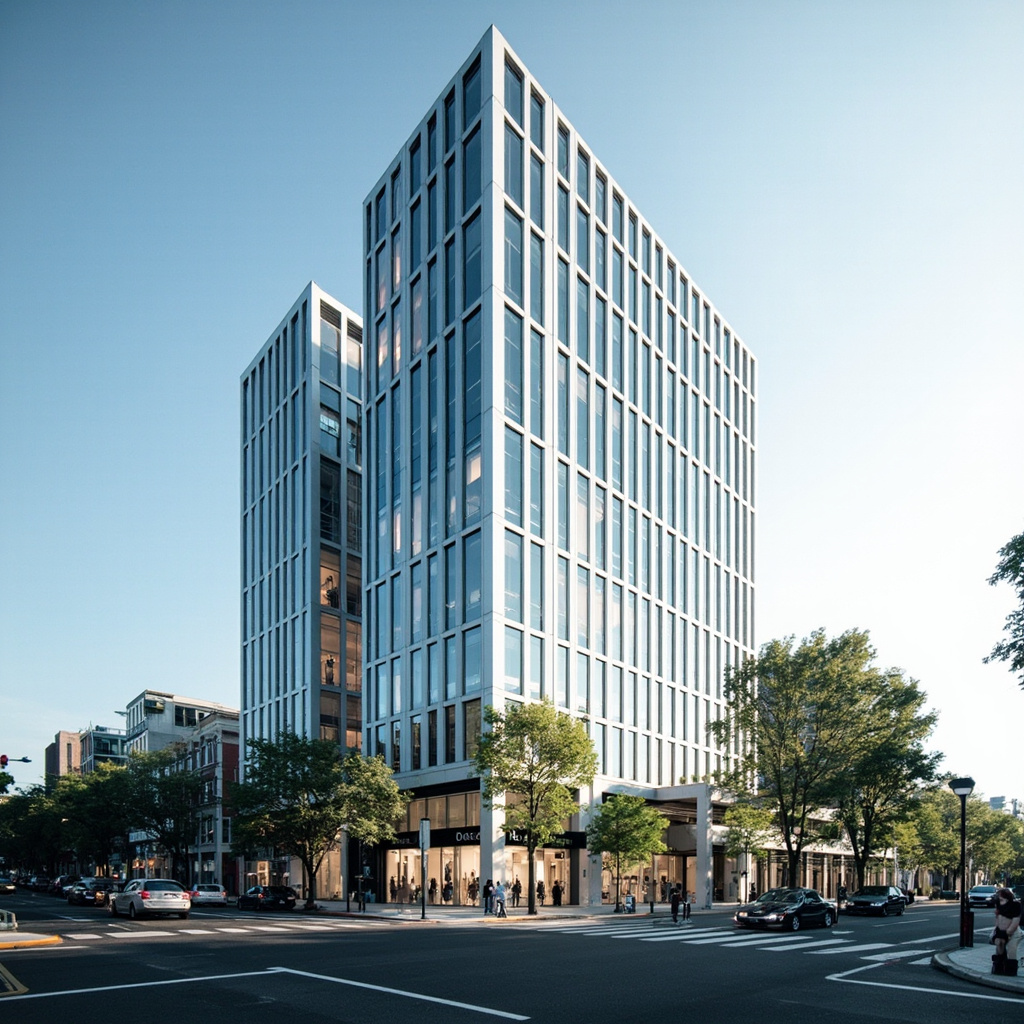
Yes. Some projects combine both finishes — for example, anodizing the exterior-facing curtain wall mullions for maximum UV resistance, while powder coating the interior profiles in a custom colour to match the building’s interior design. This hybrid approach is common in premium commercial developments where both longevity and design flexibility matter.
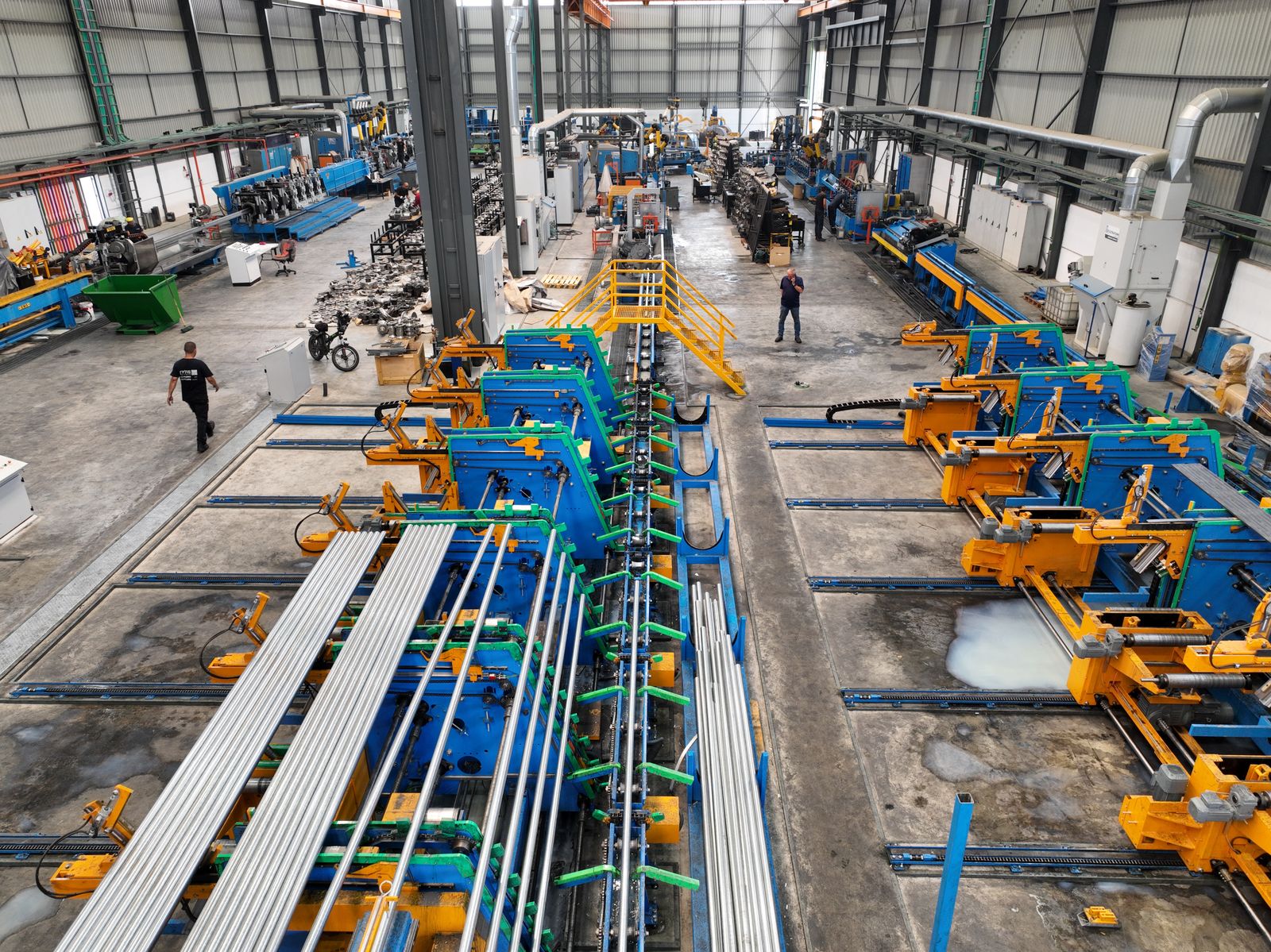
At NA-VIEW, we process both finishes in-house across 6 production lines. This means we can handle mixed-finish orders without coordinating between external vendors, reducing lead time and quality variability. Our quality team tests coating thickness, adhesion, and salt spray resistance on every batch, maintaining ISO 9001 compliance across all surface treatment operations.
Frequently Asked Questions
Which is more expensive, powder coating or anodizing?
Anodizing is typically 15–30% more expensive than powder coating due to the electrochemical process, acid handling, and longer processing time. However, the longer lifespan of anodizing (20–30 years vs 10–15 years) often makes it more cost-effective over the building’s service life.
Can powder coating be applied over anodized aluminium?
It is not recommended. Anodizing creates a hard, non-porous surface that resists powder adhesion. If you need both finishes, apply powder coating directly to properly pre-treated bare aluminium. Do not anodize first.
How do I maintain powder-coated vs anodized profiles?
Powder-coated profiles should be cleaned annually with mild detergent and water. Avoid abrasive cleaners. Anodized profiles require even less maintenance — rinse with water every 6–12 months. Anodizing’s sealed oxide surface is chemically inert and resists most staining agents.
What payment terms does NA-VIEW offer for surface-treated profiles?
We accept T/T with 30% deposit and 70% balance before shipment, L/C at sight for orders above USD 50,000, and PayPal for sample orders. Pricing includes surface treatment specifications in the quotation.
What shipping terms are available for coated aluminium profiles?
We offer FOB (Shenzhen/Guangzhou), CIF, and DDP. Coated profiles require careful packaging — we use protective film, foam separators, and ISPM-15 wooden cases to prevent scratching during transit. Standard delivery is 25–35 days for custom extrusions with surface treatment.
Do you provide colour samples before production?
Yes. We provide physical colour chips for powder coating (RAL standard) and anodized sample coupons within 3 days. This ensures the finish matches your design intent before committing to a full production run.
CONTACT US

Foshan Naview New Building Materials Co., Ltd.
We are always here offering customers our reliable products and service.
If you want to liaise with us now, please click contact us