

Recycled Aluminium Extrusion: Low-Carbon Guide
- By:Naview
- Date:2026-08-13
Recycled aluminium extrusion has shifted from a marketing buzzword to a procurement requirement. With the EU Carbon Border Adjustment Mechanism (CBAM) taking full effect in 2026 and major OEMs like Tesla, BMW, and Volkswagen committing to 30 to 50 percent recycled content by 2030, B2B buyers now demand verified low-carbon aluminium profiles. This guide breaks down what recycled aluminium extrusion means, how the carbon savings work, and what buyers need to verify when sourcing sustainable profiles.
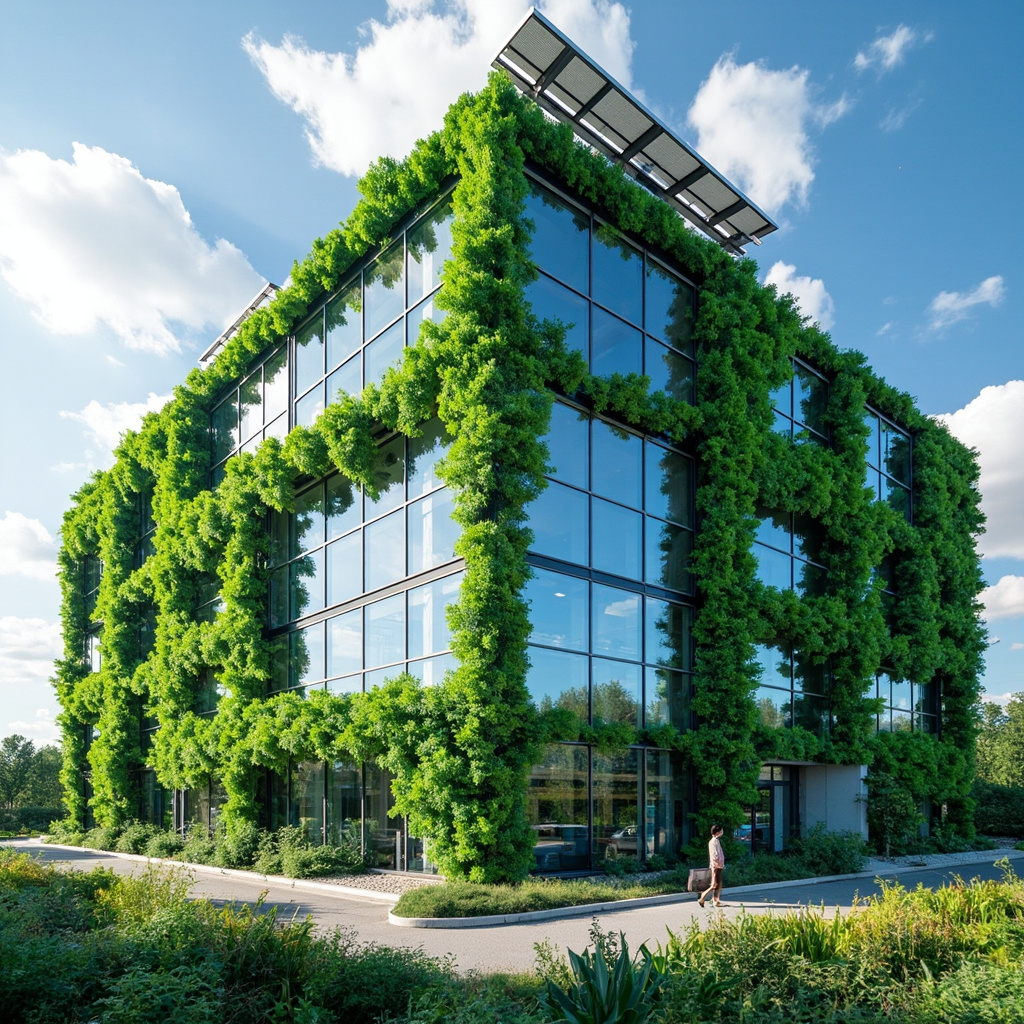
What Is Recycled Aluminium Extrusion?
Recycled aluminium extrusion refers to profiles manufactured from aluminium billets that contain post-consumer or post-industrial scrap rather than primary smelter metal. The process involves collecting scrap aluminium, sorting it by alloy grade, remelting it into new billets, and extruding those billets through dies into finished profiles. The key distinction from conventional extrusion lies in the raw material source and the dramatically lower energy input required.
Primary aluminium production smelts bauxite ore through electrolysis, consuming roughly 14,000 kWh per tonne. Remelting scrap aluminium requires only about 5 percent of that energy, around 700 kWh per tonne. This 95 percent energy reduction translates directly to lower carbon emissions and lower production costs, which is why recycled aluminium extrusion has become the fastest-growing segment in the global extrusion market.
Why Recycled Aluminium Extrusion Matters in 2026
CBAM: The Regulatory Push
The EU Carbon Border Adjustment Mechanism imposes a carbon price on imported aluminium starting in 2026. Importers must report the embedded emissions of their aluminium products and purchase CBAM certificates corresponding to those emissions. For extrusions made from primary Chinese aluminium, where the grid carbon intensity is high, CBAM adds a significant cost premium. Extrusions made from recycled aluminium face a fraction of that CBAM liability because the production emissions are dramatically lower.
Beyond the EU, similar mechanisms are under development in the UK and Canada. B2B buyers sourcing aluminium profiles for European markets need to factor CBAM compliance into their procurement decisions now, not later.
OEM Sustainability Commitments
Major automotive and construction OEMs have set public targets for recycled content:
- Tesla: Developing proprietary extrusion profiles for structural battery packs with recycled content targets
- BMW: Committed to 50 percent recycled aluminium in vehicle components by 2030
- Volkswagen Group: Targeting 30 percent recycled content across aluminium supply chain
- Mercedes-Benz Trucks: Using Hydro CIRCAL recycled aluminium (75 percent post-consumer scrap) in the reECONIC electric truck project
These commitments create pull-through demand. If you supply profiles to any of these OEMs or their tier-one suppliers, recycled content is no longer optional.
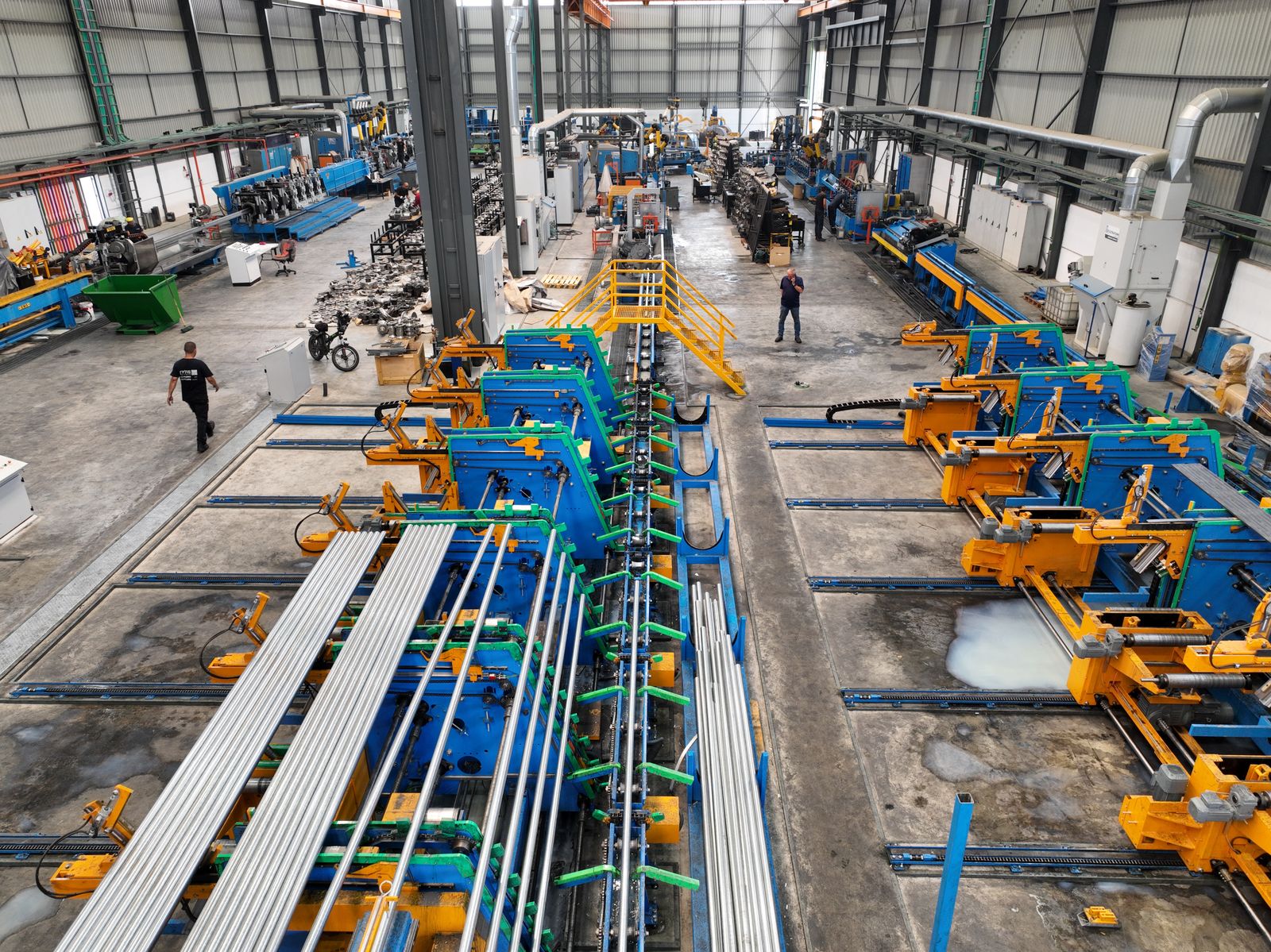
Carbon Footprint Comparison: Primary vs Recycled Aluminium
The carbon footprint difference between primary and recycled aluminium is substantial and well-documented. Here is a comparison based on data from the International Aluminium Institute and industry lifecycle assessments:
| Metric | Primary Aluminium | Recycled Aluminium | Reduction |
|---|---|---|---|
| Energy per tonne | ~14,000 kWh | ~700 kWh | 95% |
| CO2 per kg (global avg) | ~11.5 kg | ~0.5 to 2.3 kg | 80-96% |
| CO2 per kg (Hydro CIRCAL) | N/A | 1.9 kg | 83% |
| Raw material cost | Benchmark | 15-25% lower | Significant |
Note that the exact carbon footprint varies by region and energy source. Recycled aluminium produced with hydroelectric power can achieve footprints below 1 kg CO2 per kg, while recycled aluminium in coal-powered grids still sits around 2 to 3 kg CO2 per kg, far below the primary average.
How Recycled Aluminium Extrusion Works
Step 1: Scrap Collection and Sorting
Post-consumer scrap comes from end-of-life windows, doors, curtain walls, vehicle components, and industrial equipment. Post-industrial scrap includes extrusion butt ends, rejected profiles, and machining chips generated during production. The critical step is alloy sorting, because mixing 6063 scrap with 6061 or 7000-series alloys compromises the metallurgical properties of the remelted billet. Modern sorting facilities use X-ray fluorescence (XRF) and laser-induced breakdown spectroscopy (LIBS) to achieve 99 percent alloy purity.
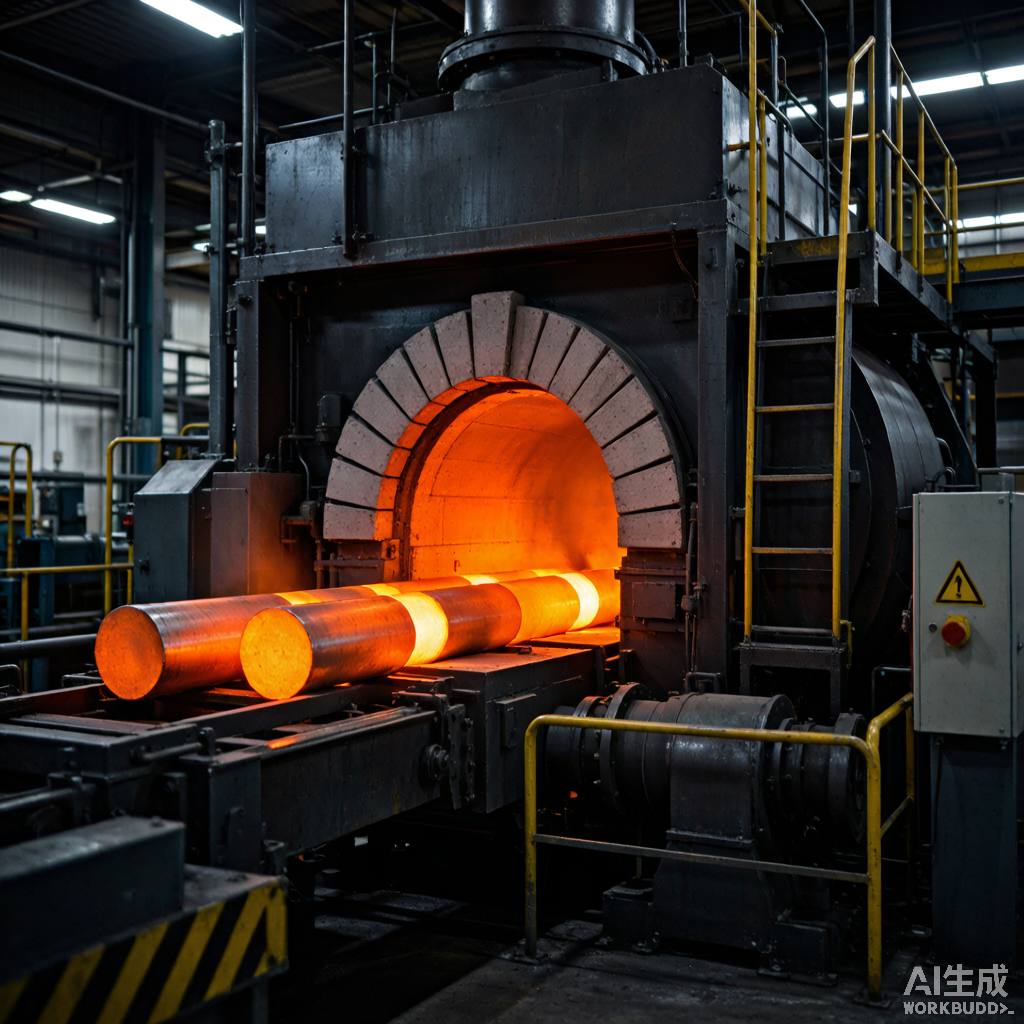
Step 2: Remelting and Casting
Sorted scrap is charged into high-efficiency remelting furnaces. Because the scrap is pre-sorted and pre-densified (compacted to remove air pockets), furnace burn-off and oxidation are minimised, achieving metallurgical yields above 95 percent. The molten metal is cast into billets meeting the same chemical composition standards as primary billets, typically ASTM B221 or EN 573-3 for 6063 and 6061 alloys.
Step 3: Extrusion
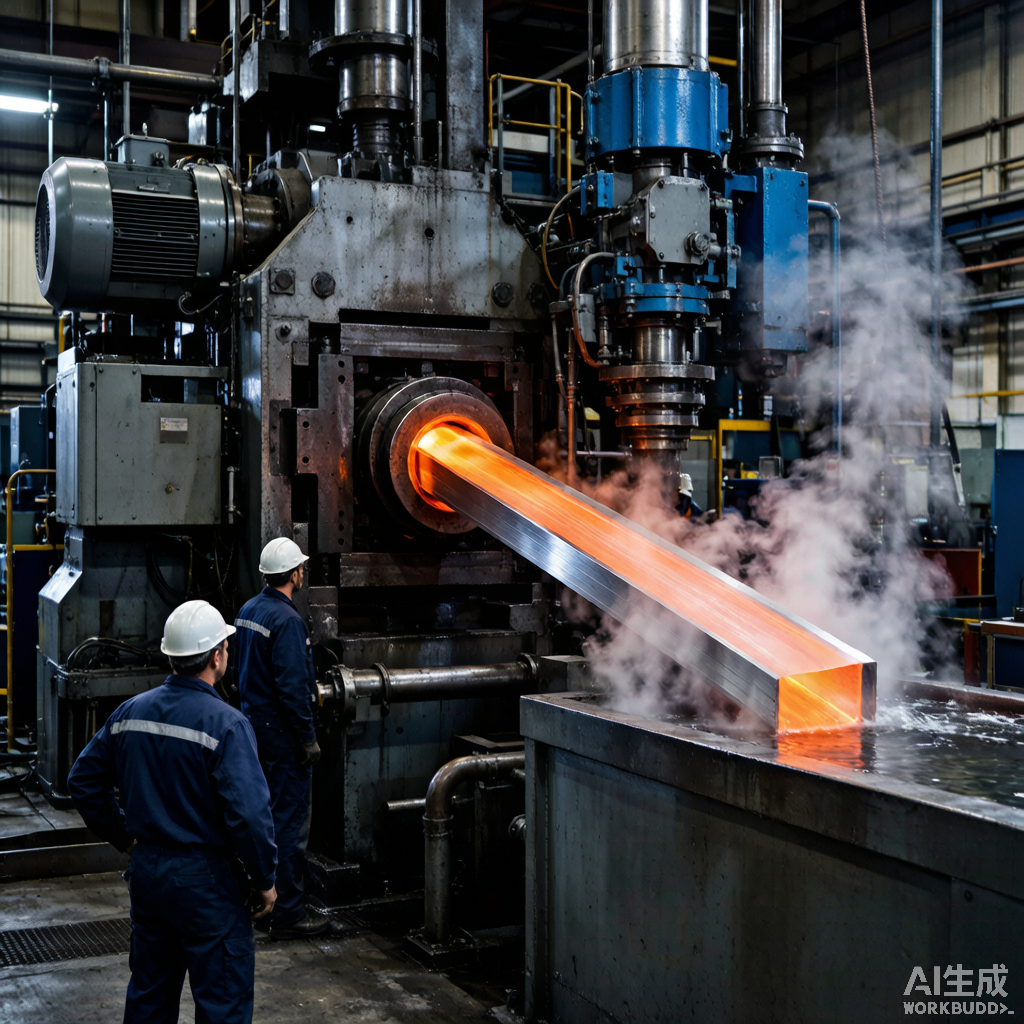
Recycled billets are heated to 450 to 500 degrees Celsius and extruded through precision dies using the same equipment and parameters as primary billets. The mechanical properties, surface finish, and dimensional tolerances of recycled aluminium extrusion profiles are identical to those made from primary metal. There is zero performance penalty from using recycled material.
What B2B Buyers Should Verify
Not all recycled aluminium claims are equal. When sourcing low-carbon aluminium profiles, verify the following:
1. Recycled Content Percentage
Ask for third-party certification of post-consumer recycled (PCR) content. Hydro CIRCAL certifies a minimum of 75 percent PCR. Some suppliers blend primary and recycled metal without disclosing the ratio. A credible supplier provides documentation from an independent auditor such as DNV, Bureau Veritas, or SGS.
2. Carbon Footprint Declaration
Request an Environmental Product Declaration (EPD) or product-specific carbon footprint certificate. This document should specify kg CO2 equivalent per kg of aluminium, calculated using a cradle-to-gate lifecycle assessment methodology. Compare this number against the industry benchmarks above.
3. Alloy Traceability
Confirm that the supplier maintains alloy traceability from scrap source to finished profile. Mixed-alloy scrap produces inconsistent mechanical properties. NA-VIEW operates 6 extrusion lines with spectrometer verification of every billet charge, ensuring that 6063 profiles meet ASTM B221 composition requirements regardless of scrap origin.
4. CBAM Documentation
For EU-bound shipments, the supplier must provide the embedded emissions data required for CBAM reporting. This includes direct emissions from the extrusion process and indirect emissions from electricity consumption, broken down by actual production location.
Applications Driving Demand for Recycled Profiles
Automotive and EV
EV battery enclosures, chassis components, and structural frames are the fastest-growing application. Recycled aluminium extrusion reduces the vehicle lifecycle carbon footprint, helping OEMs meet fleet emission targets and qualify for green vehicle incentives.
Building and Construction
Green building certifications like LEED and BREEAM award points for materials with verified recycled content and low embodied carbon. Recycled aluminium window frames, curtain wall mullions, and facade profiles contribute directly to these certifications.
Solar and Renewable Energy
Over 93 percent of solar panels use aluminium frames. As solar capacity expands globally, the volume of aluminium frames reaching end-of-life creates a growing scrap pool. Closed-loop recycling of solar frames into new profiles is becoming standard practice among leading extruders.
Common Questions About Recycled Aluminium Extrusion
Is recycled aluminium weaker than primary aluminium?
No. Aluminium retains its mechanical properties through unlimited recycling cycles. Recycled 6063-T5 profiles achieve the same tensile strength (over 160 MPa), yield strength, and elongation as primary 6063-T5. The key is proper alloy sorting and controlled remelting chemistry.
Does recycled aluminium cost more?
Recycled aluminium billets typically cost 15 to 25 percent less than primary billets due to lower energy input. However, the sorting and certification infrastructure adds cost. Net pricing is usually comparable or slightly lower than primary aluminium, with the advantage of CBAM cost avoidance for EU exports.
What payment terms does NA-VIEW accept for recycled aluminium profiles?
NA-VIEW accepts T/T (telegraphic transfer), L/C (letter of credit), and PayPal for recycled aluminium extrusion orders. A 30 percent deposit with balance against B/L copy is standard for new customers. L/C at sight is recommended for orders exceeding 50,000 USD.
What shipping terms are available?
We offer FOB (Guangzhou or Shenzhen), CIF, and DDP terms depending on destination. For EU customers, DDP includes CBAM certificate costs in the quoted price. Standard lead time is 25 to 35 days from drawing approval to container loading.
How is recycled aluminium packaged for export?
Profiles are wrapped in protective film, packed in ISPM-15 heat-treated wooden cases, and secured with steel strapping. Each case is labelled with alloy grade, temper, recycled content percentage, and carbon footprint declaration for customs and CBAM compliance.
Conclusion
Recycled aluminium extrusion is no longer a niche sustainability initiative. CBAM regulation, OEM procurement requirements, and the raw economics of energy savings have made it a mainstream procurement decision. B2B buyers who source recycled aluminium profiles now gain a triple advantage: lower carbon liability, competitive pricing, and alignment with the sustainability commitments of downstream customers. The technology and certification infrastructure exist today. The question is whether your supply chain is ready.
NA-VIEW produces aluminium extruded profiles with verified recycled content and full carbon documentation. Our 6 extrusion lines deliver 500 plus profiles per day with plus or minus 0.5 mm tolerance. For recycled aluminium extrusion quotes, contact our team with your drawings and target recycled content.
For further reading on aluminium profile pricing factors or custom extrusion processes, explore our technical guides. The International Aluminium Institute publishes global recycling statistics and carbon footprint benchmarks that inform procurement decisions.
CONTACT US


Foshan Naview New Building Materials Co., Ltd.
We are always here offering customers our reliable products and service.
If you want to liaise with us now, please click contact us