

Custom Aluminium Extrusion: Tooling, MOQ and Lead Time
- By:Naview
- Date:2026-11-19
When a buyer sends us a drawing of a profile that does not exist on any stock shelf, the project changes gear. It becomes a custom aluminium extrusion job. That phrase covers everything from a one-off heat sink with a strange fin pitch to a 300-metre-per-month door section. Often the new part must also match three existing profiles in a façade. The engineering questions are always the same. What will the die cost? How many metres justify it? When will first samples arrive? Will the tolerances survive transport and assembly? I have answered those questions for buyers in more than 30 countries, and the answers rarely change. However, the way the information is presented by trading companies often hides the real trade-offs. This article walks through the whole journey of a custom aluminium extrusion order the way our engineers actually run it. You will find real numbers for tooling, minimum order quantities, and lead times. The standards section tells you exactly what to name in your purchase order.
Why Buyers Move From Stock Sections to Custom Aluminium Extrusion
Stock profiles are cheap because the die already exists. So why pay for a custom aluminium extrusion die at all? In practice, buyers switch for four reasons, and each one changes the project plan differently.
First, assembly efficiency. Purpose-drawn profiles snap together with mating parts, replace brackets and fasteners, and cut labour on the customer’s line. Second, performance. Fin pitch designed around your airflow beats a compromise section every time. Wall thickness localised where the load sits does the same. Third, brand consistency. Architects and OEMs hate visible mismatch between adjacent systems. Fourth, cost per metre. A clever section can remove material where nothing happens, which lowers both metal weight and freight.
| Decision factor | Stock section | Custom aluminium extrusion |
|---|---|---|
| Tooling cost | None | Typically USD 400–1,500 per die (single-hole, H13) |
| First sample speed | Days, from shelf stock | Die cut in 5–10 days, samples 3–7 days after first press run |
| MOQ | Any length off the rack | Usually 300–500 kg per profile to make the press run worthwhile |
| Fit with mating parts | Compromise, adapters needed | Engineered snap-fit, matched wall thickness |
| Weight optimisation | Fixed walls, often over-thick | Walls from 0.8 mm where allowed by the section |
| Long-term supply risk | Discontinued without notice | Die stored in your account, replaten on demand |
The last row matters more than most buyers expect. Moreover, owning your die means a competitor cannot cut off your supply. A re-run years later costs no tooling again. If you want a deeper look at how the metal flows through that die, our aluminium extrusion process guide covers the press side step by step.
The Extrusion Die: Where Every Custom Aluminium Extrusion Begins
A custom aluminium extrusion die is a disc of hardened steel. Inside it, the profile outline is cut clean through. aluminium billets at 450–500 °C are pushed through that opening at 15–25 metres per minute. The section that emerges is your profile. Simple to say. However, the design decisions inside that steel disc matter for a decade. Right choices let the project run smoothly for years. Wrong ones fight you on every order.
What the die is made of and how it is cut
Almost all custom aluminium extrusion dies are cut from H13 hot-work tool steel, heat treated to HRC 46–50. Flat dies handle solid sections. Porthole (hollow) dies carry bridges and a mandrel that forms the internal voids. Their welding chambers pressure-bond the aluminium back together around the bridges. Consequently, hollow dies cost more, take longer to cut, and need more correction cycles than flat dies.
Wire EDM cuts the aperture today, so aperture accuracy is roughly ±0.02 mm. The bearing surfaces are the short land of steel that metres of aluminium slide across. They control exit speed across the section. Therefore, bearing length is not constant; the engineer lengthens bearings where metal must be slowed and shortens them where metal lags. That balancing act, called bearing design, is exactly why an experienced die corrector is worth their salary.
| Die attribute | Flat (solid) die | Porthole (hollow) die |
|---|---|---|
| Typical cost range | USD 400–800 | USD 700–1,500 |
| Cutting time | 2–4 days | 4–8 days |
| Correction cycles to first good sample | 0–1 | 1–3 |
| Typical die life between nitrides | 300–500 press cycles | 200–350 press cycles |
| Best suited to | Bars, angles, heat sinks, rails | Window frames, tubes, box sections, curtain wall mullions |
What a custom aluminium extrusion die actually costs
Quoted die prices vary with section complexity, not with size alone. A 90 mm solid angle is a half-day job. By contrast, a four-cavity die for a thin heat sink with 1.1 mm fins is a week. So when you compare quotes between factories, check what sits inside the number. Die design review, cutting, first heat treatment, sample trials, and one correction round should all be included. A quote that separates every item looks cheaper, yet the total after three correction rounds is often higher.
Another point buyers miss: multi-cavity dies. For example, if your annual volume is high, we cut two or four identical apertures into one die plate. Output per press cycle doubles or quadruples, lead time per order shortens, and the unit die cost per metre collapses. On long-running custom aluminium extrusion programs, the second cavity usually pays for itself within the first two press runs.
Die life, nitriding and corrections
Hot aluminium wears bearings slowly. To keep surfaces hard, dies are nitrided every 300–500 press cycles. That process restores a case hardness around HRC 65 and adds roughly 0.1 mm of steel. A well-maintained die survives 60–100 nitride cycles. In other words, your tooling is not a consumable. It is capital equipment that we store, clean, and re-condition between your orders.
Corrections are normal, not a failure. Sometimes a first trial shows one leg running heavy. The corrector then slows that leg by lengthening its bearing, or opens a choke somewhere else. Additionally, we log every correction so the die history stays with the tool. Buyers sometimes ask whether they own the die after paying for it. At NA-VIEW the answer is yes. The die is tagged with your account code and stored free of charge. If you move the program elsewhere, we ship it to you on request.
From Drawing to First Sample: How We Run a Custom Aluminium Extrusion Project
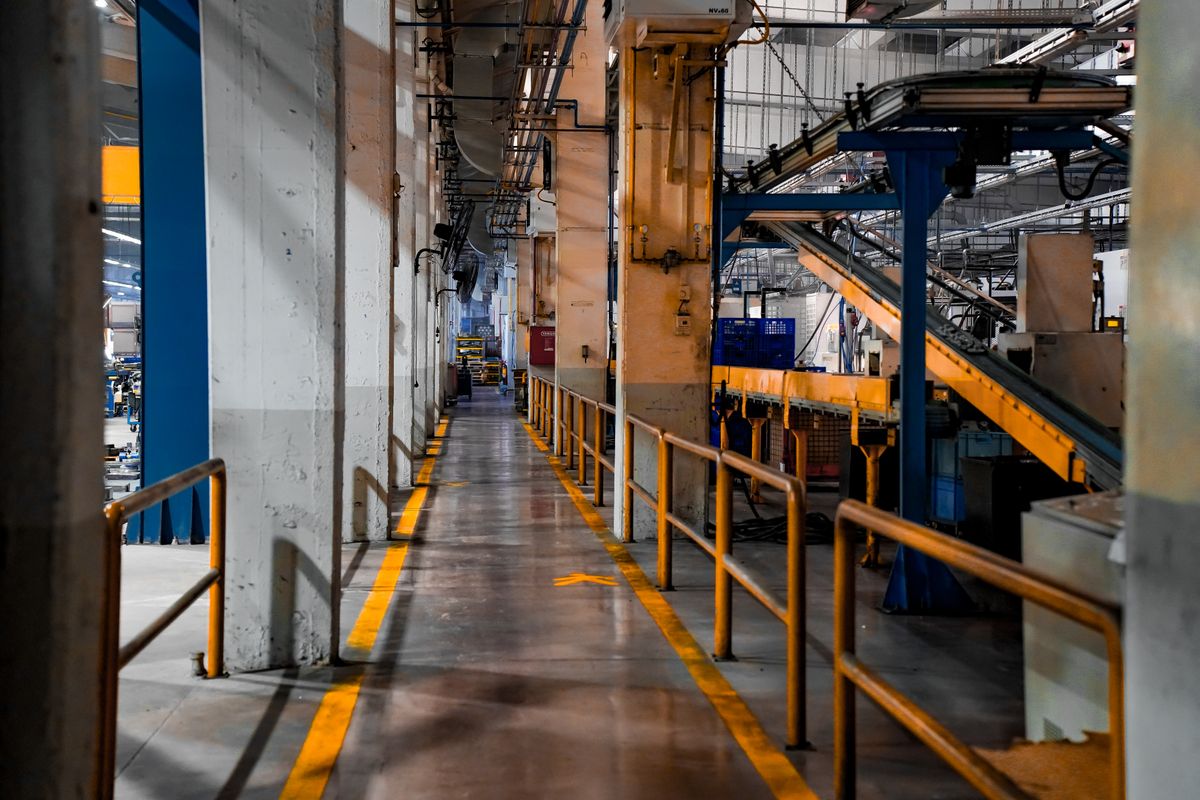
A custom aluminium extrusion order runs like this, with our standard service commitments built in:
- Day 0: You send a DXF, PDF sketch, or even a photo of the old section. Our engineers review extrudability — wall thickness ratio, circle size, tongue ratio for hollows — and reply within 24 hours.
- Within 7 days: We return an optimised drawing with manufacturing suggestions: wall reductions, snap-fit geometry, and a tolerance plan. This is our 7-day drawing commitment. It often saves buyers 5–15% of metal weight before any metal is cut.
- Die cutting: 2–8 days depending on die type, in parallel with billet allocation and, if needed, tooling for machining fixtures.
- 3 days after die approval: First press trial and samples. Our 3-day sampling promise starts once the die produces a dimensionally correct section. It does not start when the die leaves the EDM machine.
- Sample pack: You receive cut lengths with a dimensional report, material certificate EN 10204 Type 3.1, and photos of bearing surfaces. Because samples are free within a working project, the only real cost at this stage is your review time.
Two habits of ours make this phase fast. Before the die is cut, we simulate metal flow and flag risky sections. Tongue ratios above roughly 3:1 mean the mandrel could fracture. During the trial, the press operator measures the section at the press itself. Measurement never waits an hour for the lab. Consequently, most corrections are decided within minutes of the first billet.
Tolerances and Standards: What to Write Into Your PO
A drawing without tolerances is a dispute waiting to happen. So state the standard explicitly. For metric industrial profiles we work to EN 755-9; for precision sections and door-wall systems, EN 12020-2 tightens several limits. Chinese-market architectural assemblies follow GB/T 5237.1. Finished doors and windows are graded under GB/T 8478-2020, which ties profile accuracy to air, water, and wind performance classes. If your section sits inside a thermal break system, EN 14024 governs the polyamide strut and its shear strength in the knurled cavity. The extrusion tolerances of the two aluminium halves must leave room for that strutting. Otherwise the assembled window will not pass its EN 12210 wind test.
| Parameter (example: 40 mm bar) | EN 755-9 | EN 12020-2 |
|---|---|---|
| Cross-section dimension, ≤ 10 mm | ±0.25 mm | ±0.15 mm |
| Cross-section dimension, 10–100 mm | ±0.35 mm | ±0.25 mm |
| Straightness (gap per 300 mm) | ≤ 0.7 mm | ≤ 0.4 mm |
| Twist | ≤ 0.5° per 300 mm | ≤ 0.3° per 300 mm |
| Wall thickness (given as nominal ± %) | ±10% | ±5–7% |
Do not ask for EN 12020-2 everywhere by default, though. Tighter tolerances mean more die corrections and more scrap, so we quote them honestly as a cost. For most industrial sections EN 755-9 is correct. Our separate aluminium extrusion tolerances guide explains how to mix the two standards on one drawing.
Finishes carry their own standard stack. Powder coating follows Qualicoat or the AAMA 2603/2604 series; higher-end architectural PVDF follows AAMA 2605. Anodising follows Qualanod. Finally, every batch ships with ISO 9001-controlled inspection records. Mill certificates EN 10204 Type 3.1 are issued per heat number. If your customer audits you, those documents are the trail that keeps the audit short.
MOQ: What Actually Drives It and How to Push It Down
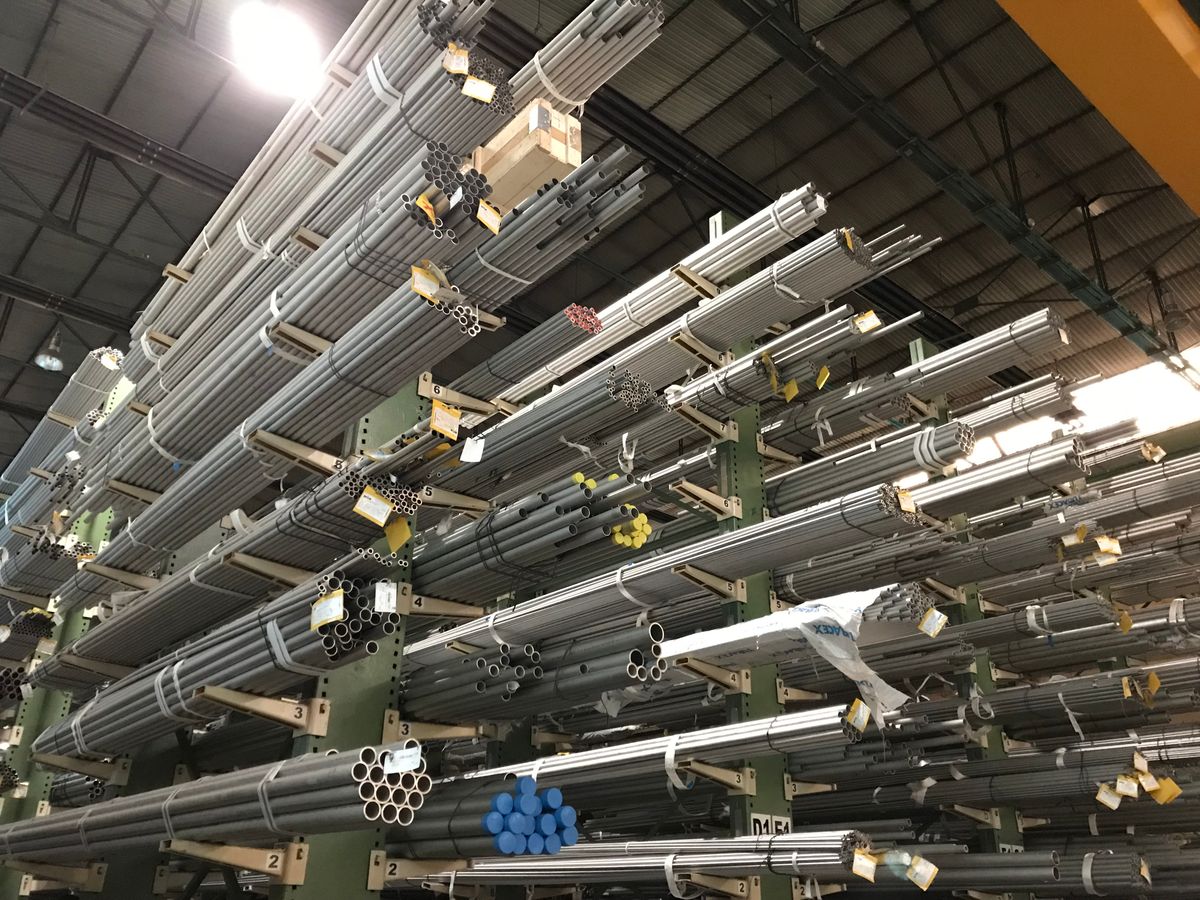
Nobody at a factory sets MOQ out of stubbornness. The numbers come from the press itself. A standard billet weighs 6–8 kg per metre of feed. Each run also produces a fixed crop of butt-end scrap. Run too short, and setup scrap swallows the profit. Therefore the practical floor for most custom aluminium extrusion orders is 300–500 kg per profile. For a 1 kg/m section, that means 300–500 metres.
Several levers can lower that floor, and we use all of them when a project deserves it:
- Run-in-family scheduling. Your profile may share a billet diameter and container with another order of the same alloy and temper. We can then piggyback your short run between them.
- Shared dies. Two customers with mirror-image sections sometimes share a two-cavity die, each taking half the run.
- Sample-mode trials. For pure sampling, we can extrude a handful of lengths of your custom aluminium extrusion inside another scheduled run. That path costs a small trial fee instead of a full MOQ.
- Die amortisation. On signed annual programs, we absorb the die cost against volume, which lets the first order start smaller.
Weight is the MOQ’s hidden twin, since kilograms drive both price and freight. Before you finalise a section, run the numbers with our aluminium profile weight calculation guide. Trimming 0.2 kg/m on a 20,000-metre annual program removes four tonnes of metal from your budget every year. The freight saving comes on top.
Lead Times: A Realistic Week-by-Week Breakdown
Buyers get burned by lead time promises that ignore physics. So here is the honest version for a typical first-order custom aluminium extrusion project with powder coating:
| Phase | Duration | What is happening |
|---|---|---|
| Drawing review and optimisation | Up to 7 days | Extrudability check, tolerance plan, cost sheet within 24 h of receiving files |
| Die cutting and heat treatment | 2–8 days | EDM cutting, vacuum hardening, nitride prep |
| First press trial and sampling | 3 days after die approval | Trial billets, on-press measurement, sample pack dispatch |
| Sample approval by customer | 3–10 days | Your assembly trials, sign-off (this phase is yours) |
| Production run | 10–15 days | Extrusion, ageing to T6, surface treatment, machining, packing |
| Transit | FOB: book vessel / CIF, DDP: 25–35 days door-to-door typical | Container loading, customs, delivery |
Repeat custom aluminium extrusion orders skip almost everything above. Your die already exists, and the tolerance record exists too. The run then starts directly at production, so 15–20 days from PO to vessel is our normal repeat-order rhythm. Furthermore, buyers with annual volume can hold consignment stock with us. You call it off against a rolling forecast, which shrinks your effective lead time to transit only.
Alloy Choice: 6063, 6061, and When the Answer Surprises You
Alloy choice decides strength, surface quality, and press speed. 6063 extrudes beautifully, takes a glass-smooth anodised finish, and covers nearly every architectural application. 6061 carries roughly twice the yield strength of T6 6063. In exchange, it extrudes slower, shows a duller finish, and demands more from the die. Does the custom aluminium extrusion need to machine cleanly afterwards? For robotic arms, brackets, and enclosures, the trade-off often favours 6061. Façade and furniture sections stay with 6063.
We wrote a full technical comparison with property tables, weldability notes, and cost deltas in our 6063 vs 6061 aluminium alloy guide. Read it before you lock the alloy field on your drawing. Moreover, some sections blend both worlds: an architectural outer shell snapped over an industrial chassis. The alloy can differ per component. Our engineers flag that during the 7-day drawing review rather than after the first failed sample.
Surface Finishing Options for Custom Aluminium Extrusions
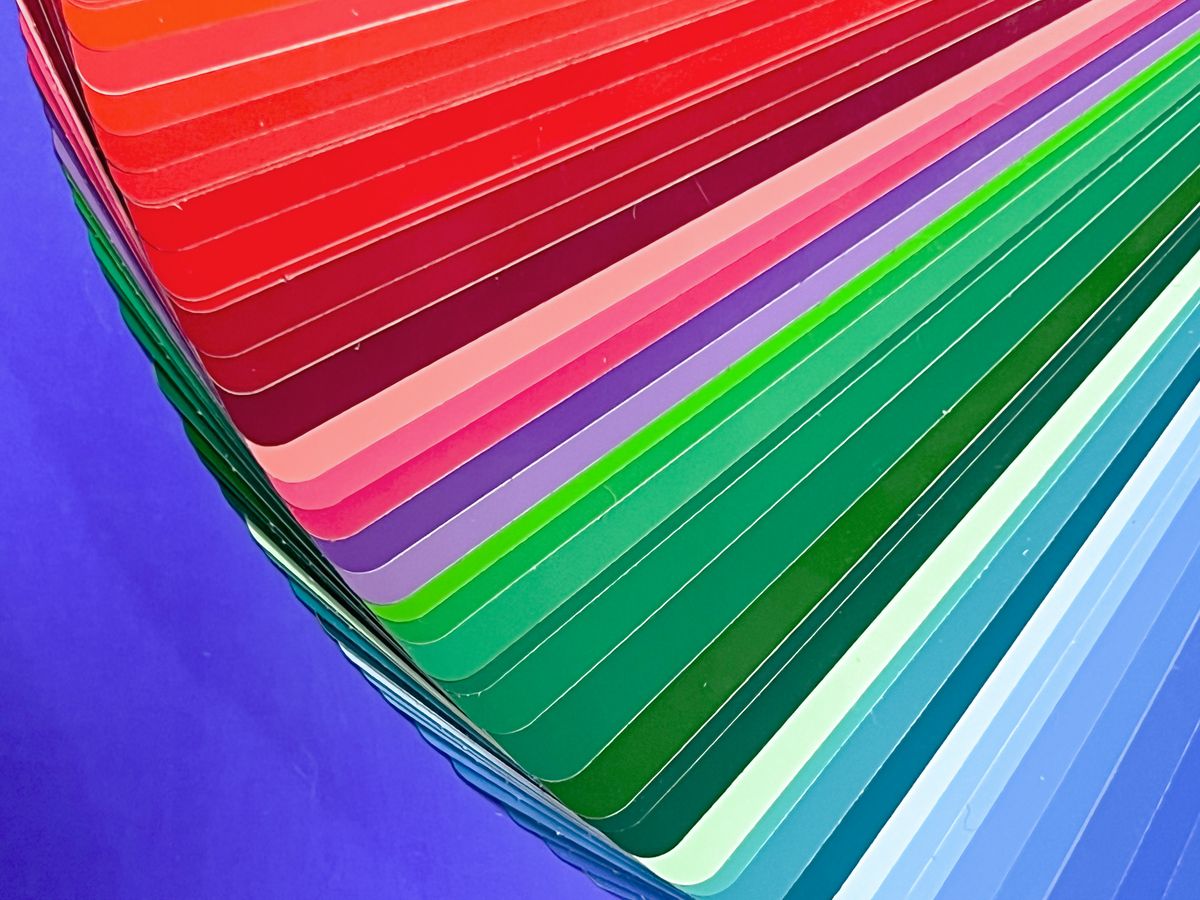
Finish decisions belong before the first press run, not after. Coating hides nothing on a custom aluminium extrusion. Die lines, picker marks, and surface pull all telegraph through a thin powder layer. Anodising grows a hard oxide layer 5–25 µm thick and keeps the metallic look, which suits visible architectural surfaces. Powder coating lays down 60–120 µm of RAL-coloured polymer, resists chipping, and costs less per square metre. PVDF wins on coastal and high-UV facades with its 20-year colour retention. Electrophoresis seals complex hollow interiors that spray cannot reach evenly.
The full decision matrix, including film thickness standards and salt-spray hours per class, lives in our powder coating vs anodising comparison. One caution from the plant floor: specify the finish standard on the custom aluminium extrusion drawing itself. Write, for example, powder coating to AAMA 2604 in RAL 7016 at 80 µm. Then the coating line owns the specification, not the sales desk.
Machining, Fabrication and What the Press Cannot Do
Extrusion gives you the straight section; everything else happens downstream. CNC cutting to ±0.2 mm lengths, punching, milling pockets, tapping threads, and bending all run in our plant. A custom aluminium extrusion drawing should already anticipate them. Design chamfers into corners that will be gripped. Leave punch-relief webs where holes land near a wall junction. Mark machined faces that must stay bare for sealing. Buyers who integrate T-slot channels into custom sections often borrow geometry from our T-slot profile advantages guide. T-slot grooves make later fixture changes painless, since the frame can grow without new tooling.
Bending deserves its own warning. Curved custom aluminium extrusion parts, such as arc beams and curved handrails, stretch the section locally. Tolerances then shift beyond EN 755-9 values. So when a drawing calls for bend radii, we quote the bent-state tolerance separately. The bending fixture gets mocked up before production starts. Acknowledging that early keeps everyone’s schedule honest.
Five Pitfalls That Slow Down Custom Aluminium Extrusion Projects
After hundreds of programs, the same five mistakes recur:
- Drawing without tolerance standard. A custom aluminium extrusion drawing should name EN 755-9 or EN 12020-2 explicitly. Otherwise each side assumes the other’s numbers.
- Zero-wall corners on hollows. Porthole dies need metal everywhere; a knife-sharp internal corner cracks bridges and doubles correction rounds.
- Alloy copied from an old drawing. A section drawn for 6061 in 2009 may run perfectly in 6063-T6 today, at lower cost. Verify rather than inherit.
- Finish specified after sampling. Anodising reveals die lines that powder would hide. Switch the finish late and you may need a fresh die polish, not just a coating change.
- MOQ negotiated before weight is known. Weight determines kilograms, kilograms determine MOQ. Calculate first, negotiate second.
None of these are exotic. However, every one of them costs a week or more when discovered late. On tight launch schedules, a week is the most expensive item on the quote.
Frequently Asked Questions About Custom Aluminium Extrusion
How much does a custom aluminium extrusion die cost?
Most single-hole flat dies land between USD 400 and 800. Hollow porthole dies sit between USD 700 and 1,500. Price scales with aperture complexity, cavity count, and correction rounds included. Our quotes bundle design review, cutting, first trials, and one correction. The number you see is the number you pay. On signed annual programs we can amortise the die into order pricing.
What is the minimum order quantity for a custom aluminium extrusion profile?
Typically 300–500 kg per profile per run. Press setup economics drive that number, not policy. Run-in-family scheduling, shared dies, and sample-mode trials can all push the effective quantity lower for qualified projects. Ask us to check billet-family compatibility before you assume a hard floor.
How long does the whole process take?
First orders usually complete in 4–6 weeks, sample review included. Repeat orders run 15–20 days from PO to vessel because tooling and quality records already exist. Airfreight for urgent sample batches is available and often lands within 5 days of dispatch.
Who owns the die, and what happens if we move suppliers?
You do. The die is tagged to your account, stored free at our plant, and released to you on written request. If you relocate the program, we pack it with its correction history and nitride log. Your next extruder then starts with complete context instead of guessing.
Which payment terms do you accept?
Standard terms are T/T with 30% deposit and 70% against copy of B/L. These terms apply to every custom aluminium extrusion order, large or small. For established buyers we accept L/C at sight on larger contract volumes. PayPal works for sample fees and small tooling payments. Tooling is a one-time cost. Because of that, many customers pay the die by T/T upfront and run production orders on L/C.
Which shipping terms can you quote — FOB, CIF or DDP?
All three, under Incoterms 2020. FOB Foshan or FOB Nansha suits buyers with their own freight forwarders. CIF covers ocean freight and insurance to your port. DDP delivers to your door with duties settled, which most first-time importers of custom aluminium extrusion orders choose for simplicity. Transit typically runs 25–35 days door-to-door depending on destination.
How are custom aluminium extrusion profiles packed for export?
We wrap profiles in EPE foam first. Bundles then go into steel-reinforced crates or custom plywood boxes. Interleaving keeps surfaces from rubbing during transit. Breakage on packed architectural sections runs below 0.2% across our export history. Packaging drawings can be pre-approved by your QC team before the container is stuffed.
What documents come with a custom aluminium extrusion shipment?
Every batch ships with EN 10204 Type 3.1 mill certificates. Dimensional inspection reports against the agreed standard follow. Coating or anodising test records and our ISO 9001-controlled packing list complete the set. Additionally, SGS or TÜV third-party inspection can be booked before loading. We schedule it at no coordination cost to you.
Work With a Factory That Runs Custom Aluminium Extrusion Daily
NA-VIEW runs 6 extrusion lines at ±0.5 mm. Output reaches 500+ profiles per day across an ISO 9001-certified plant shipping to 30+ countries. Behind every die sits 11 years of combined factory experience. Send your drawing today. You get an extrudability review within 24 hours, optimised drawings in 7 days, and free samples in 3 days.
CONTACT US


Foshan Naview New Building Materials Co., Ltd.
We are always here offering customers our reliable products and service.
If you want to liaise with us now, please click contact us