

6063 vs 6061 Aluminium Comparison Guide
- By:Naview
- Date:2026-08-03
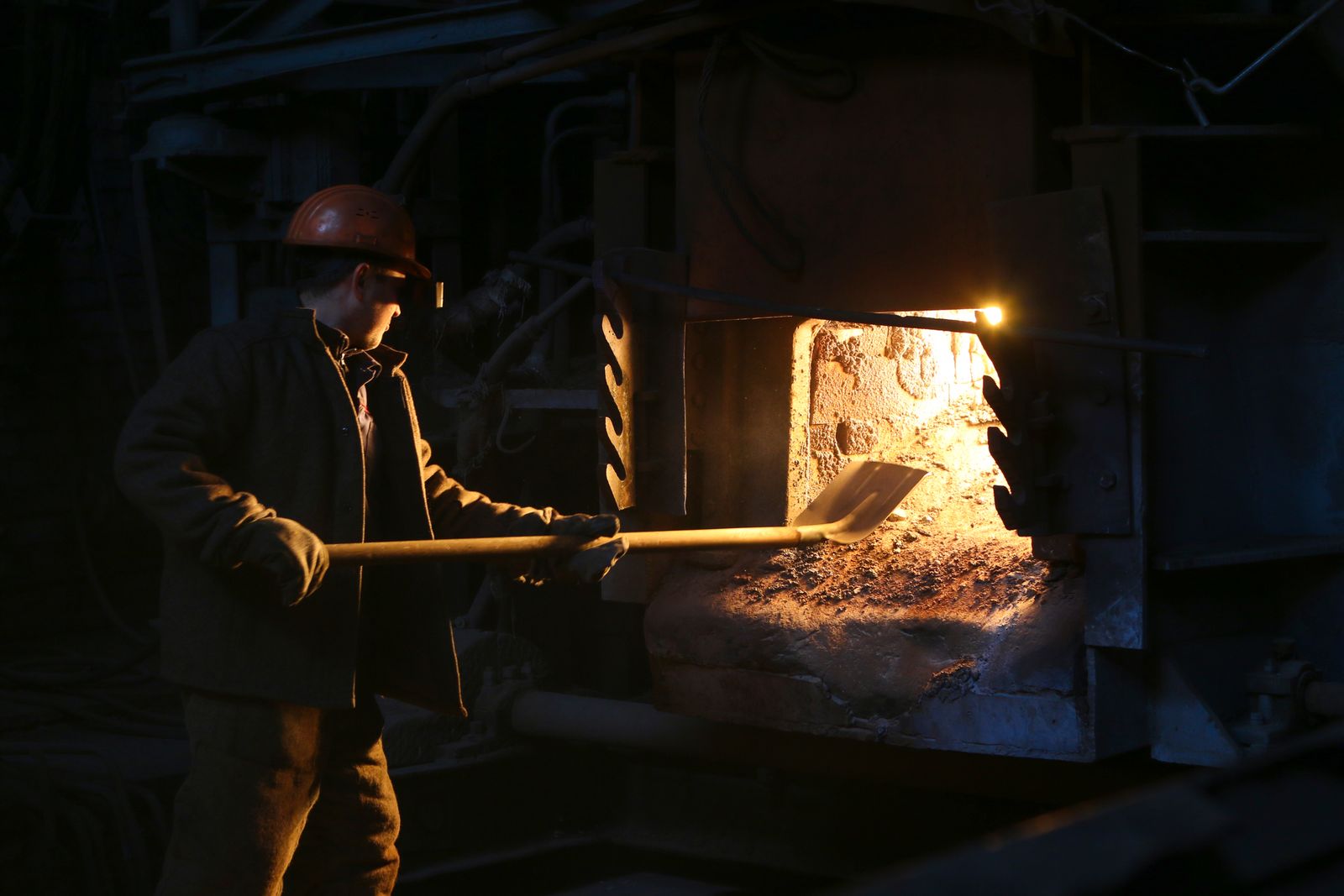
Ask any aluminium extrusion factory which two alloys they run most, and the answer is always the same: 6063 and 6061. Together these two grades account for roughly 80% of all extruded aluminium profiles worldwide. But choosing the wrong one for your application means the difference between a profile that performs perfectly and one that cracks, corrodes, or costs 15% more than necessary.
This comparison draws on our 11 years of producing both alloys across 6 extrusion lines — not just textbook data, but what happens on a real factory floor when you extrude, heat-treat, anodise, and machine these two alloys.
Quick Comparison: 6063 vs 6061 at a Glance
| Property | 6063-T5 | 6061-T6 | Winner For |
|---|---|---|---|
| Tensile Strength | ≥160 MPa | ≥260 MPa | 6061 |
| Yield Strength | ≥110 MPa | ≥240 MPa | 6061 |
| Elongation | ≥8% | ≥8% | Tie |
| Hardness (Webster) | ≥8 HW | ≥15 HW | 6061 |
| Extrudability | Excellent | Moderate | 6063 |
| Anodising Finish | Superior | Acceptable | 6063 |
| Corrosion Resistance | Excellent | Very Good | 6063 |
| Weldability | Good | Excellent | 6061 |
| Machinability | Fair | Good | 6061 |
| Relative Cost | Baseline | 10-15% higher | 6063 |
The short version: 6063 wins on appearance and cost; 6061 wins on strength and machinability. For most aluminium curtain wall profiles and architectural applications, 6063 is the correct choice. For structural components in guardrail systems and industrial frames, 6061 provides the mechanical margin you need.
Chemical Composition: Why They Behave Differently
The performance gap between 6063 and 6061 comes down to two elements: magnesium and silicon. Here is the alloy breakdown:
| Element | 6063 (%) | 6061 (%) |
|---|---|---|
| Silicon (Si) | 0.20 – 0.60 | 0.40 – 0.80 |
| Iron (Fe) | ≤ 0.35 | ≤ 0.70 |
| Copper (Cu) | ≤ 0.10 | 0.15 – 0.40 |
| Manganese (Mn) | ≤ 0.10 | ≤ 0.15 |
| Magnesium (Mg) | 0.45 – 0.90 | 0.80 – 1.20 |
| Chromium (Cr) | ≤ 0.10 | 0.04 – 0.35 |
| Zinc (Zn) | ≤ 0.10 | ≤ 0.25 |
| Titanium (Ti) | ≤ 0.10 | ≤ 0.15 |
| Aluminium (Al) | Balance | Balance |
Three differences drive the performance gap:
- Higher Mg₂Si in 6061 — the magnesium-silicon compound Mg₂Si is the primary strengthening precipitate in both alloys. 6061 contains roughly 40% more Mg and Si than 6063, forming more Mg₂Si particles during ageing — hence the higher strength.
- Copper in 6061 — the 0.15-0.40% copper in 6061 boosts strength through additional precipitation hardening. However, copper also slightly reduces corrosion resistance and causes the duller, greyer anodised appearance that makes 6061 unsuitable for decorative architectural finishes.
- Chromium in 6061 — chromium suppresses recrystallisation during heat treatment, helping 6061 maintain grain structure at elevated temperatures. This is why 6061 retains strength better in heat-affected zones after welding.
When to Use 6063 Aluminium
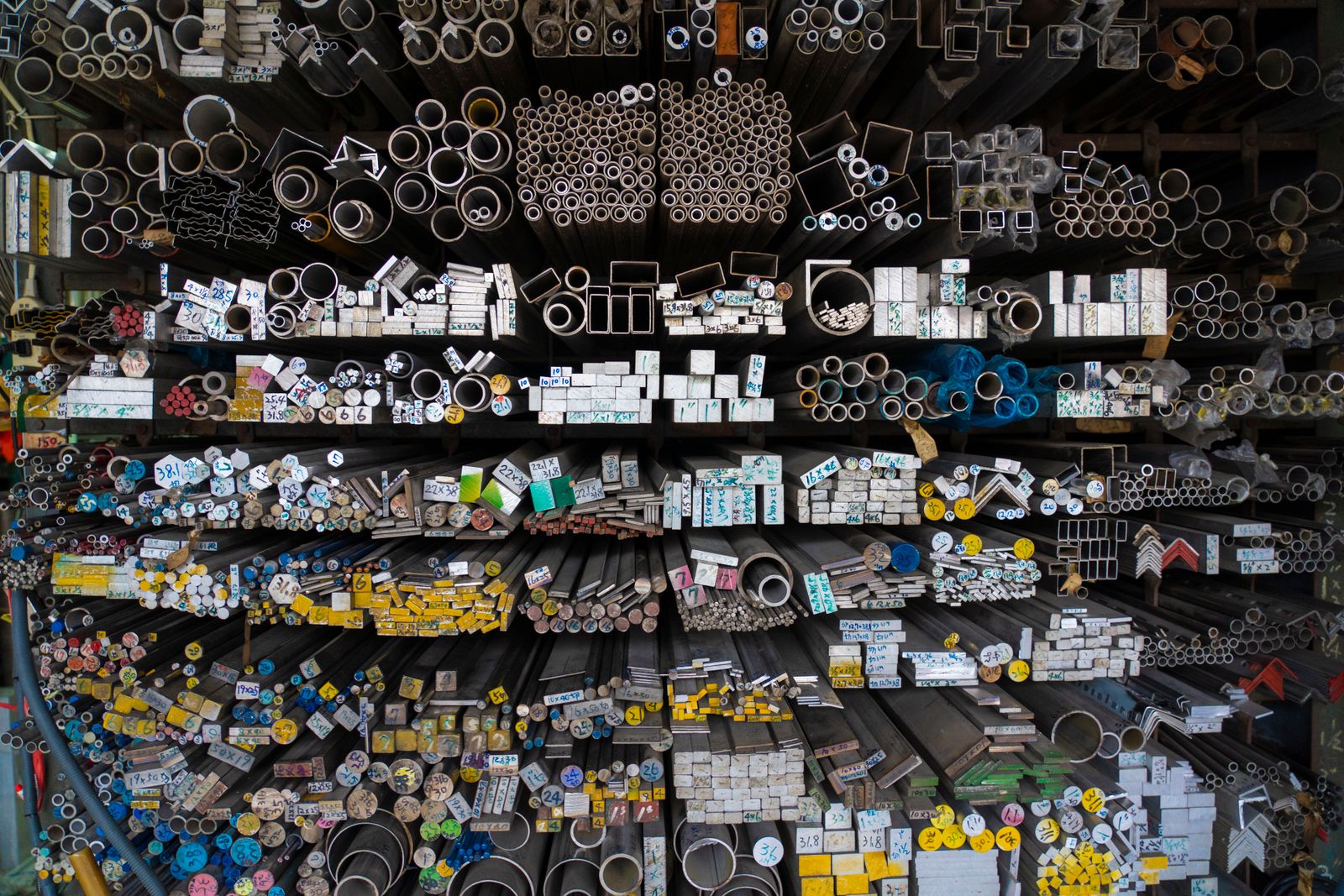
6063 is sometimes called “architectural aluminium” — and for good reason. Its moderate strength, excellent surface finish, and high extrudability make it the standard for visible applications where appearance matters as much as performance.
Best applications for 6063:
- Window and door frames — the smooth anodised finish looks clean and professional
- Curtain wall mullions and transoms — complex hollow profiles extrude cleanly with tight tolerances
- Balustrades and handrails — surface quality matters for touch points
- Shower enclosures and interior trims — anodising provides a premium look
- Lighting channels and heatsinks — good thermal conductivity with simple profile geometry
- Furniture profiles and decorative trims — colour consistency is critical
From a manufacturing perspective, 6063 is forgiving. It flows better through the extrusion die, allowing thinner walls, sharper corners, and more complex cross-sections than 6061. Extrusion speed for 6063 is typically 20-40% faster than 6061 for the same profile, which translates directly to lower per-kg cost. Our factory produces 500+ profile designs daily, and roughly 70% of them are 6063 because most buyers need the surface finish and cost profile this alloy delivers.
When to Use 6061 Aluminium
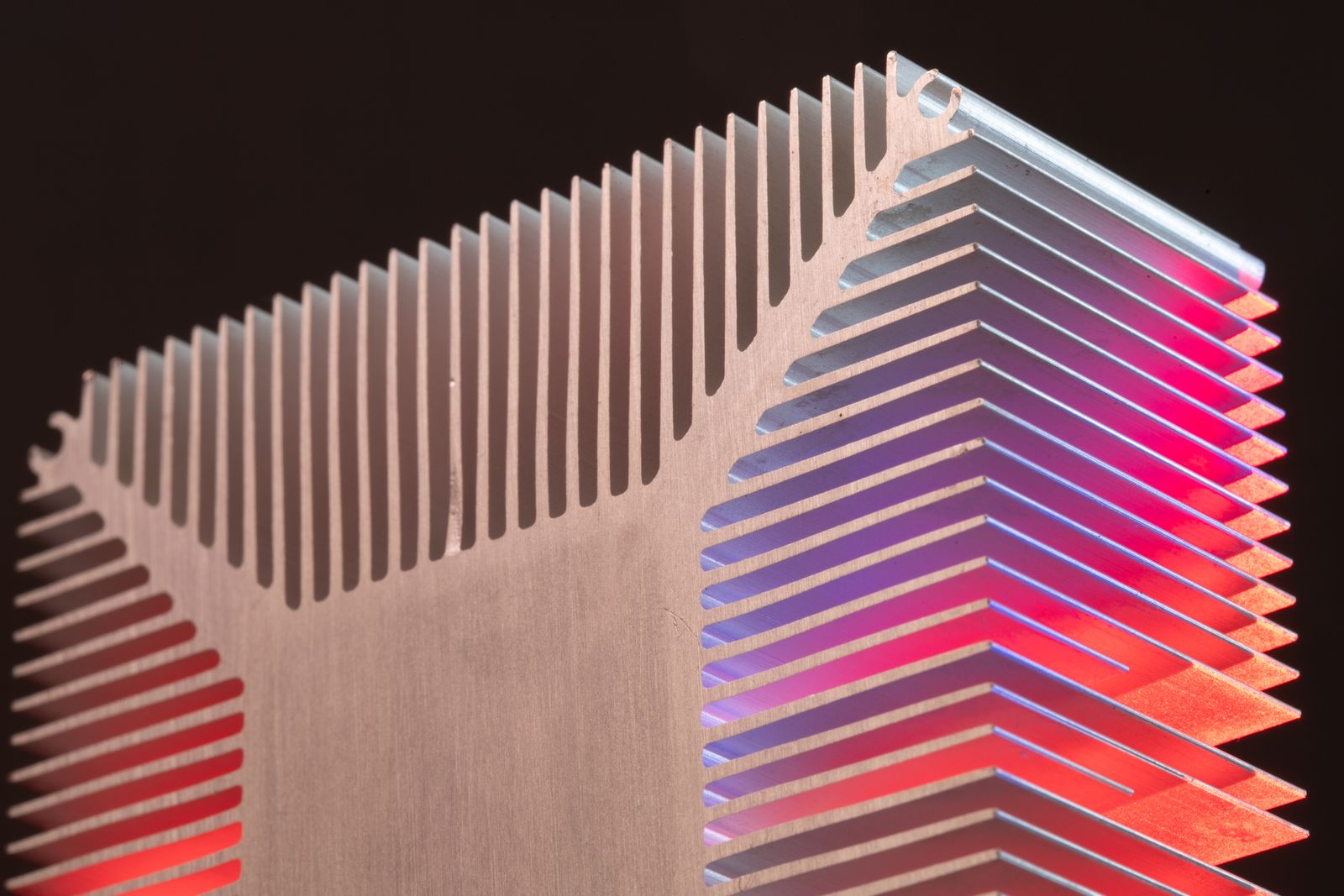
6061 earns its place where 6063 does not have enough strength. If your profile needs to bear structural loads, withstand repeated stress, or survive machining operations, 6061 is the answer.
Best applications for 6061:
- Structural frames and support beams — the 260 MPa tensile strength handles dynamic loads
- Bicycle frames and automotive components — strength-to-weight ratio combined with weldability
- Marine fittings and dock components — good corrosion resistance in saltwater environments
- Machined parts and jigs — 6061 machines cleanly without gumming up cutting tools
- Welded assemblies and trusses — 6061 welds reliably with standard TIG and MIG techniques
- Solar mounting structures — needs the strength for wind and snow loads over decades
- Industrial equipment frames — vibration resistance and fatigue life matter
The trade-off for 6061’s higher strength is slower extrusion speed and more die wear. For a complex hollow profile, 6061 extrusion speed is roughly 60-80% of what you would get with 6063. This, combined with the higher alloy content, makes 6061 profiles 10-15% more expensive per kilogram. For thermal break aluminium windows, the cost premium is rarely justified since 6063-T5 already meets wind load requirements in most building codes.
Temper Selection: T5, T6, and Beyond
The alloy choice is only half the decision. Temper — the heat treatment condition — determines the actual mechanical properties your profile will have:
| Temper | Process | 6063 Typical UTS | 6061 Typical UTS |
|---|---|---|---|
| T4 | Solution heat-treated and naturally aged | ~170 MPa | ~240 MPa |
| T5 | Cooled from extrusion temperature and artificially aged | ≥160 MPa | ≥260 MPa |
| T6 | Solution heat-treated and artificially aged | ≥205 MPa | ≥260 MPa |
| T6511 | T6 + stress-relieved by stretching | N/A | ≥260 MPa |
For most buyers, the practical choice is 6063-T5 (standard architectural) or 6061-T6 (standard structural). Specify T6511 for 6061 profiles that will undergo significant machining, as the stress-relieving prevents distortion when material is removed asymmetrically.
A critical detail that many first-time buyers miss: 6063-T5 achieves its strength through controlled cooling immediately after extrusion. A factory that does not manage its cooling rate properly will produce 6063 profiles that look right but fall short on tensile strength. This is one reason we verify mechanical properties on every production batch in our in-house testing lab rather than relying on process assumptions.
Cost Comparison and Total Project Economics
The per-kg price difference between 6063 and 6061 is real but usually not the deciding factor. Here is how the total cost breaks down for a typical 5-tonne order:
| Cost Element | 6063-T5 | 6061-T6 |
|---|---|---|
| Billet cost (per kg) | Baseline | +5-8% |
| Extrusion cost (per kg) | Baseline | +10-15% |
| Die life (cycles) | Baseline | -20-30% |
| Surface treatment | Standard | Standard |
| Total landed cost premium | — | 10-15% higher |
The real question is not “which is cheaper” but “which is cheaper over the life of the product?” Using 6063 where 6061 is structurally required means profile failure, warranty claims, and reputational damage. Using 6061 where 6063 suffices means paying for strength you will never use.

At our factory, we stock both 6063 and 6061 billet in standard diameters. When a buyer is unsure which alloy to specify, our engineering team reviews the application requirements — load conditions, environmental exposure, surface finish expectations, and budget constraints — and makes a data-backed recommendation. Our payment terms (T/T, L/C, PayPal for samples) and shipping options (FOB, CIF, DDP to 30+ countries) apply equally to both alloys.
Final Recommendation by Application
| Your Application | Recommended Alloy | Why |
|---|---|---|
| Window and door frames | 6063-T5 | Best surface finish, cost-effective, meets structural requirements |
| Curtain wall profiles | 6063-T6 | T6 for higher wind load capacity when T5 is marginal |
| Structural beams and columns | 6061-T6 | Strength required, appearance secondary |
| Handrails and balustrades | 6063-T5 | Touch-point finish quality is critical |
| Machined industrial parts | 6061-T6511 | Machinability and stress relief prevent distortion |
| Heatsinks | 6063-T5 | Good thermal conductivity, excellent extrudability for thin fins |
| Welded frames | 6061-T6 | Superior weldability with standard filler rods |
| Solar mounting | 6061-T6 or 6063-T6 | Depends on structural analysis; consult your engineer |
| Decorative trims | 6063-T5 | Anodised appearance is the priority |
Not sure which alloy your project needs? Send your profile drawings and application details to our engineering team. We will recommend the right alloy and temper, provide a dimensional tolerance analysis, and quote both cost and lead time — typically within 24 hours.
Frequently Asked Questions
What is the minimum order quantity (MOQ) for aluminium extrusion?
The typical MOQ for custom aluminium extrusion is 500 kg. For standard profiles in stock, smaller quantities may be available. Contact NA-VIEW for specific MOQ details on your project.
What payment terms do you accept for aluminium extrusion orders?
We accept T/T (telegraphic transfer), L/C (letter of credit), and PayPal. Standard terms are 30% deposit with order and 70% balance before shipment.
What is the typical lead time for aluminium extrusion production?
Standard production lead time is 25-35 days after deposit and drawing confirmation. Prototyping takes 3-5 days, and sampling 7 days.
How are aluminium extrusion products packaged for shipping?
Products are packaged using wooden pallets with interlayer kraft paper or pearl cotton for surface protection. Sea-worthy packaging ensures safe international shipping.
CONTACT US


Foshan Naview New Building Materials Co., Ltd.
We are always here offering customers our reliable products and service.
If you want to liaise with us now, please click contact us