
Aluminium Profile Price: 7 Cost Factors
- By:Naview
- Date:2026-08-12
B2B buyers researching aluminium profile price often receive quotes that vary by 30-50% between suppliers for seemingly identical products. That gap is not random — it reflects differences in alloy grade, manufacturing capability, surface treatment quality, and hidden costs buried in packaging and freight terms. At NA-VIEW, we have spent 11 years extruding profiles for buyers across 30+ countries, and the pricing conversation always comes down to the same seven variables. Breaking them down helps you compare quotes honestly and avoid paying for specifications you do not need.
Factor 1: Alloy Grade Directly Sets the Raw Material Baseline
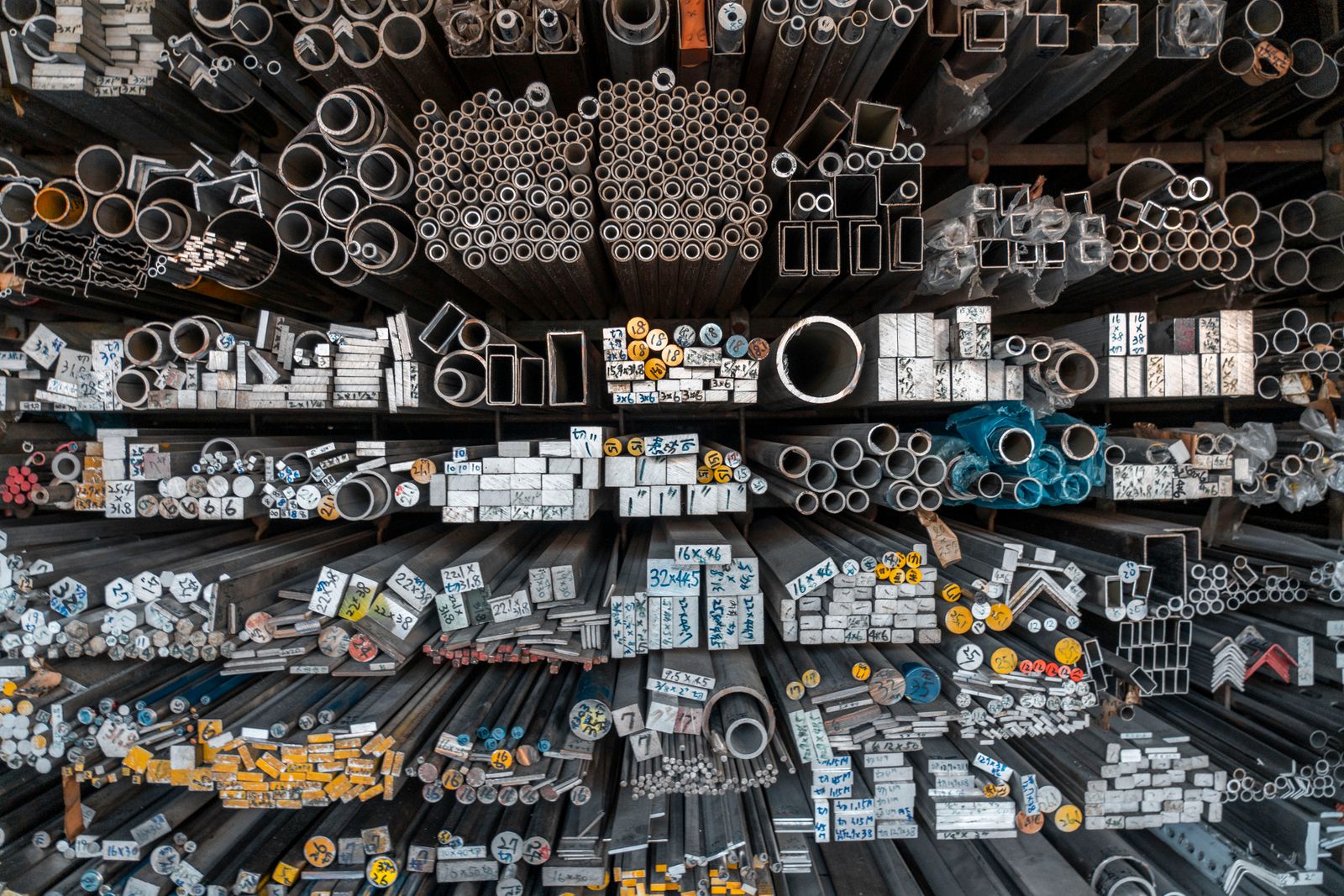
The aluminium alloy you choose accounts for 40-55% of the total profile cost. 6063 is the most common extrusion alloy — it offers good strength, excellent surface finish, and costs less because billet supply is abundant. 6061 carries a 10-15% premium for its higher strength and corrosion resistance, making it the go-to for structural and marine applications. 6005 and 6082 sit between the two in both performance and price. When a supplier quotes 6063 for a load-bearing application that actually requires 6061, the lower aluminium profile price reflects a specification downgrade, not a better deal. For a detailed alloy comparison, see our 6063 vs 6061 aluminium alloy guide.
Factor 2: Profile Complexity Drives Die Cost and Cycle Time
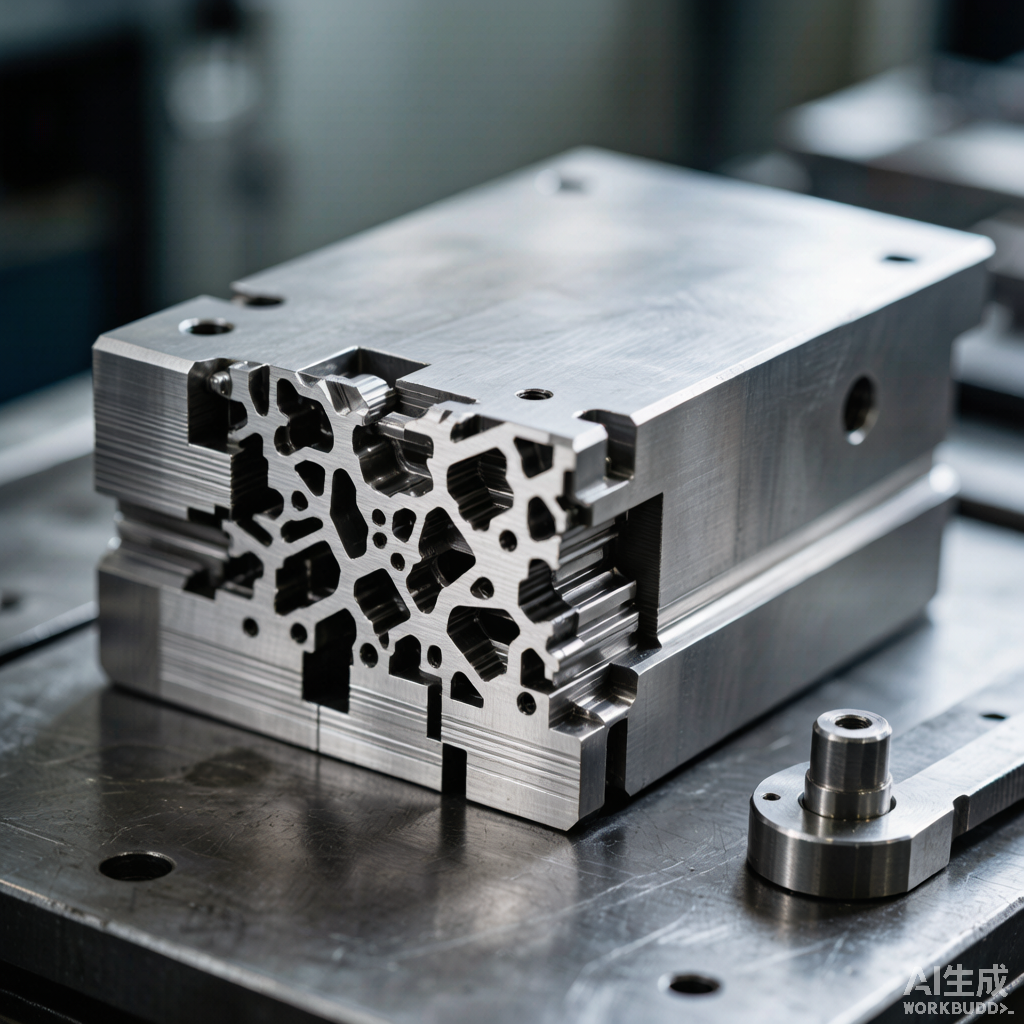
A simple U-channel extrudes fast and requires a straightforward die. A multi-void hollow profile with thin walls and intricate internal cavities needs a porthole die or seam weld die that costs 3-5x more to manufacture and wears out faster. Die cost is typically amortised across the order — a USD 2,500 die spread over 5 tons adds USD 0.55/kg, but the same die over 50 tons adds only USD 0.055/kg. This is why aluminium extruded profiles with complex cross-sections become dramatically cheaper at higher volumes.
Factor 3: Surface Treatment Adds 15-40% to the Unit Price
Surface finish is where many buyers lose track of cost. The main options, ranked by price impact:
- Mill finish — no treatment, lowest cost, suitable for hidden structural parts
- Anodising (15-25 microns) — adds 15-20%, provides corrosion resistance and decorative finish
- Powder coating — adds 20-30%, unlimited RAL colours, UV resistance for outdoor use
- PVDF coating — adds 30-40%, premium architectural finish with 20+ year weatherability
- Wood grain sublimation — adds 35-45%, decorative finish mimicking timber textures
Choosing PVDF when powder coating would suffice inflates your aluminium profile price by 10-15% with no practical benefit for the application.
Factor 4: Order Quantity and MOQ Determine Unit Economics
Extrusion is a continuous process — every setup change (die swap, alloy change, colour change) costs 45-90 minutes of production time. Suppliers recover that setup cost from your order volume. A 500 kg order of a custom profile might cost USD 4.20/kg, while 5,000 kg of the same profile drops to USD 3.10/kg. Most factories set a minimum order quantity (MOQ) of 300-500 kg per profile to cover setup costs. At NA-VIEW, we accept trial orders as small as 100 kg for new customers, but the per-kilogram price reflects the smaller volume.
Factor 5: Wall Thickness and Profile Weight Drive Material Consumption
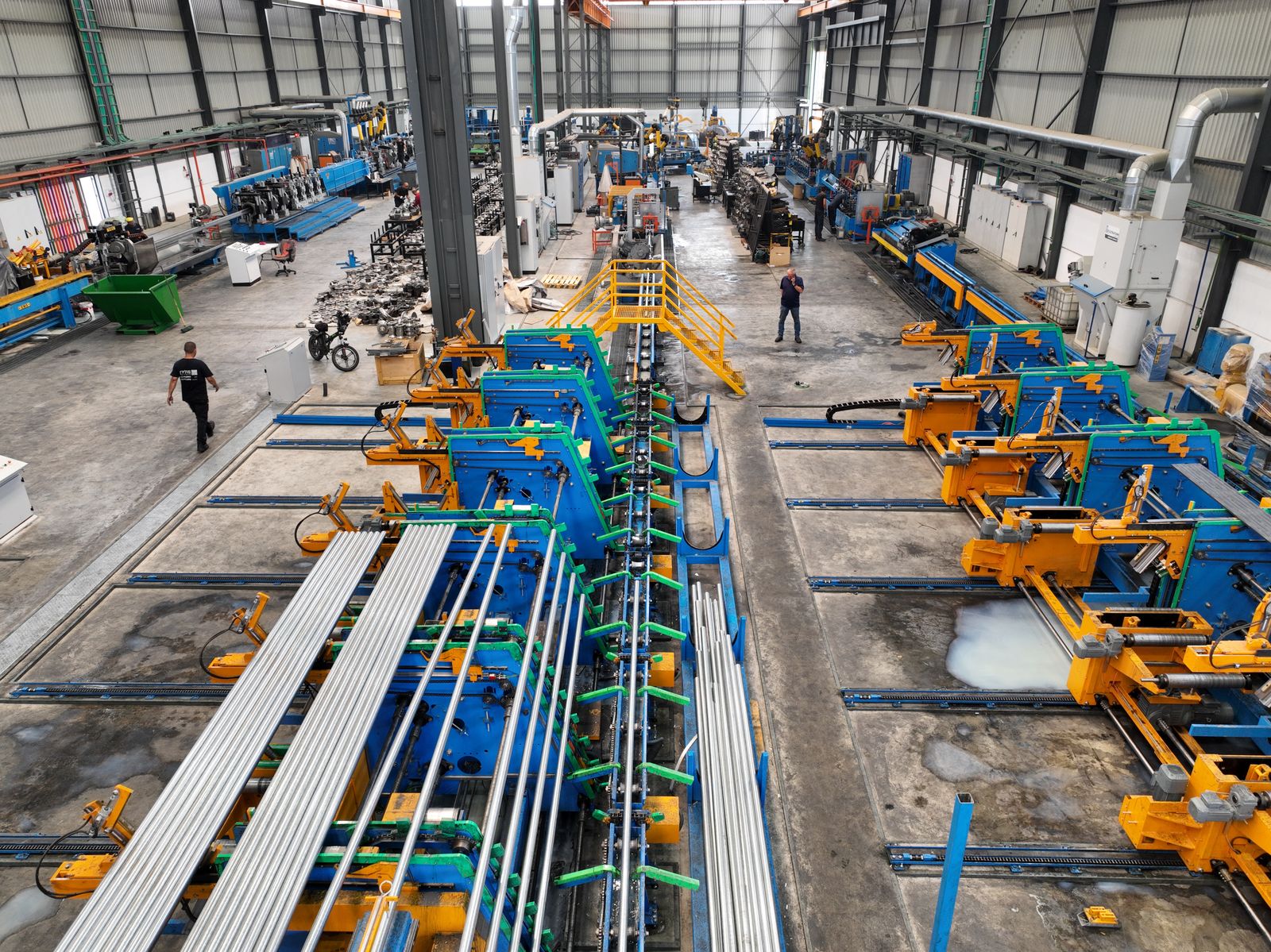
Aluminium is sold by weight. A profile with 2.0 mm wall thickness weighs 30-40% more than the same shape with 1.2 mm walls — and costs proportionally more. However, thinner walls require higher extrusion precision and are more prone to deformation during handling. The design guidelines for aluminium extrusion recommend maintaining uniform wall thickness and avoiding abrupt transitions, which keeps both material cost and defect rates down. Our six production lines hold tolerances within ±0.5 mm, allowing thinner-wall designs without sacrificing structural integrity.
Factor 6: Tolerance and Precision Requirements
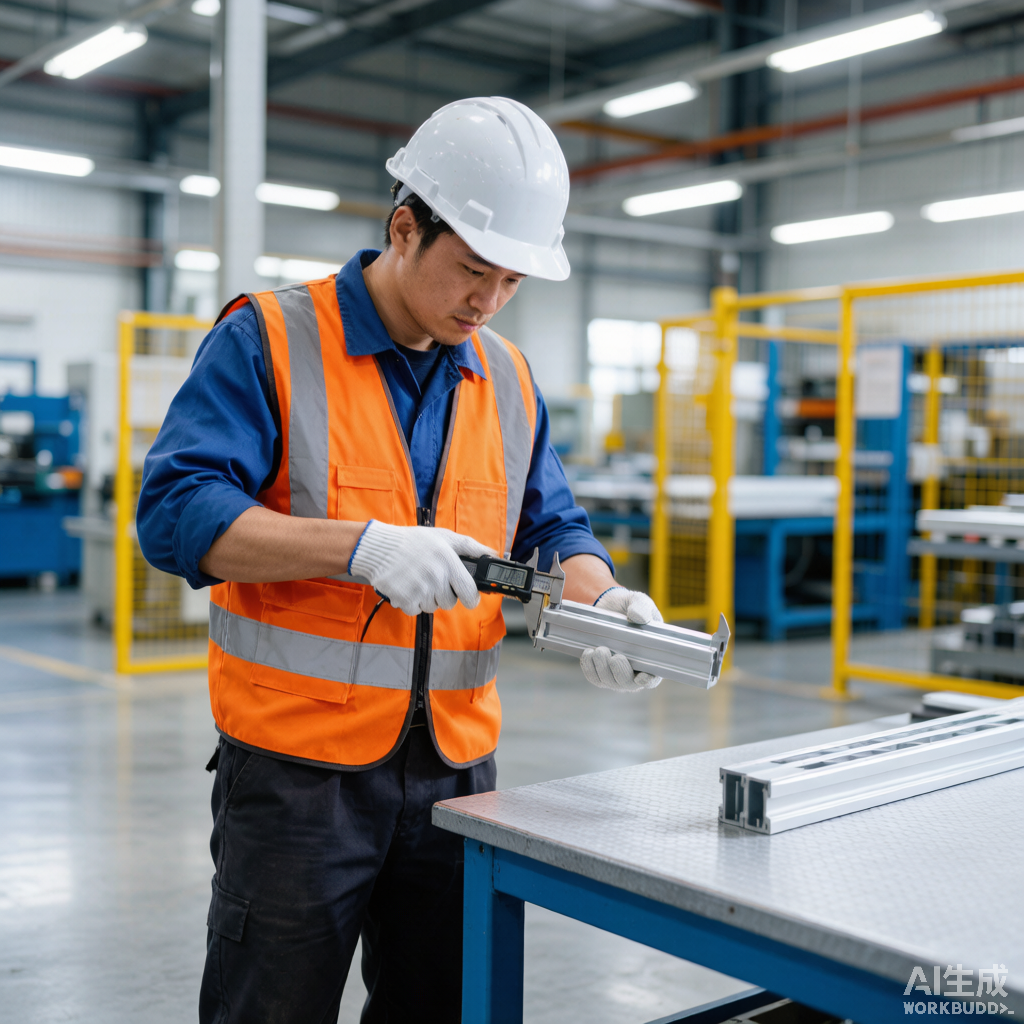
Standard commercial tolerances per EN 755-9 or GB/T 6892 are included in the base price. If your application requires precision tolerances — for example, ±0.1 mm on critical dimensions for automated assembly — expect a 15-25% surcharge. Precision extrusion requires slower press speeds, more frequent die maintenance, and 100% dimensional inspection rather than sampling. Our aluminium extrusion process includes in-line laser measurement on two of our six lines, which lets us hit precision tolerances without the full surcharge that single-line factories must charge.
Factor 7: Packaging, Freight, and Incoterms
The quoted aluminium profile price changes dramatically depending on which Incoterms you agree to:
- FOB (Free on Board) — supplier delivers to port, you arrange and pay for ocean freight. Lowest ex-works cost but you manage logistics.
- CIF (Cost, Insurance, Freight) — supplier arranges shipping to your destination port. Convenient but includes the supplier’s markup on freight.
- DDP (Delivered Duty Paid) — supplier handles everything including customs clearance and duties. Highest total cost but zero logistics management.
Packaging also matters: standard bundle wrap costs little, but protective film, individual sleeves, or custom crate packaging for high-finish profiles can add USD 0.10-0.30/kg.
How to Get an Accurate Aluminium Profile Quote
To receive a quote that reflects your actual requirements rather than a generic estimate, provide your supplier with:
- Technical drawing (PDF or DWG) with cross-section, tolerances, and alloy specified
- Required surface treatment and colour (RAL code if powder coated)
- Estimated annual quantity and target order size
- Length per piece and cutting tolerance
- Preferred Incoterms and destination port
- Packaging requirements (standard wrap, protective film, custom crate)
At NA-VIEW, we turn drawings into detailed quotes within 7 days, produce sample profiles in 3 days, and deliver mass production in 25-35 days. Our supplier selection guide covers the evaluation criteria that separate reliable extrusion partners from price-cutting shortcuts.
Frequently Asked Questions
What is the typical price range for aluminium extrusion profiles?
Standard 6063 mill-finish profiles range from USD 2.80 to 4.50 per kg depending on quantity and complexity. Powder-coated profiles add 20-30%, and PVDF-coated architectural profiles can reach USD 5.50-7.00 per kg. These are FOB China prices as of 2026 and fluctuate with LME aluminium ingot pricing.
What payment terms does NA-VIEW accept?
We accept T/T (30% deposit, 70% before shipment), L/C at sight for orders above USD 30,000, and PayPal for sample orders under USD 2,000. For established customers with repeat orders, we offer net-30 terms on approved credit.
How are aluminium profiles packaged for export shipping?
Standard packaging is bundle wrap with kraft paper interleaving, strapped to timber pallets. For high-finish profiles, we add protective film on each piece and use custom foam-lined crates. All timber packaging is ISPM-15 treated and certified for export to any destination.
What is the typical delivery time for custom aluminium profiles?
From drawing approval to shipment: 25-35 days for new profiles (includes die manufacturing and first article inspection). Repeat orders of existing profiles ship in 15-20 days. Sample profiles for evaluation are produced within 3 days of drawing confirmation.
Do you offer FOB, CIF, or DDP shipping terms?
We quote FOB Shenzhen or FOB Guangzhou by default. CIF is available to major ports worldwide — we work with preferred freight forwarders to secure competitive ocean rates. DDP is offered for established customers in Southeast Asia, Middle East, and Africa with clear customs requirements.
CONTACT US


Foshan Naview New Building Materials Co., Ltd.
We are always here offering customers our reliable products and service.
If you want to liaise with us now, please click contact us