

Aluminum Windows and Doors: Complete Guide to Modern Fenestration Solutions
- By:Naview
- Date:2026-03-31
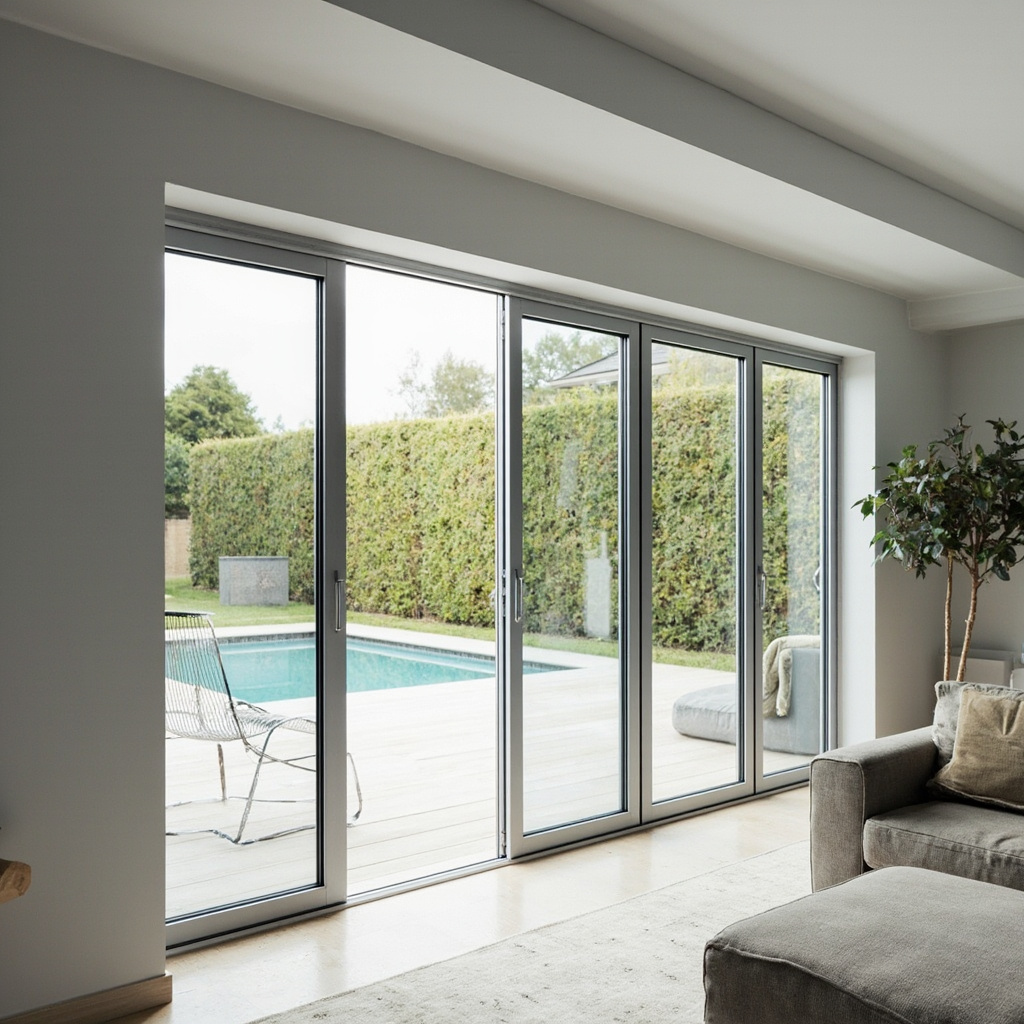
Aluminum windows and doors have established themselves as premier choices in contemporary architecture, offering a compelling combination of slim profiles, remarkable design versatility, and long-lasting performance that modern buildings require. From luxurious waterfront residences to towering commercial office buildings, aluminum window and door systems provide architects and homeowners with solutions that enhance both building aesthetics and functional performance. The global aluminum fenestration market has grown substantially over the past two decades, driven by urbanization trends, energy code requirements, and architectural preferences for designs that maximize daylight penetration and visual connection to outdoor spaces. Modern aluminum fenestration systems address historical thermal performance concerns through sophisticated engineering including thermal break technology, making them suitable for any climate zone and any building type.
The market for aluminum windows and doors represents approximately 25 percent of the overall window and door market globally, with market value exceeding 25 billion USD annually. This market share reflects the recognition among architects, builders, and property owners that aluminum delivers unique combinations of performance, durability, and design flexibility that alternatives cannot match. Growth rates of 5 to 8 percent annually indicate continued strong demand as aluminum fenestration expands into markets previously dominated by wood, vinyl, and other materials.
The Evolution of Aluminum Windows and Doors
Early aluminum windows faced legitimate criticism for poor thermal performance that made them unsuitable for energy-conscious applications in cold climates. These first-generation products conducted heat and cold directly through the metal frame, creating uncomfortable interior environments while driving excessive energy consumption for heating and cooling. Building codes in northern climates often prohibited aluminum windows in residential construction due to these thermal performance concerns, limiting market opportunities despite aluminum structural and durability advantages.
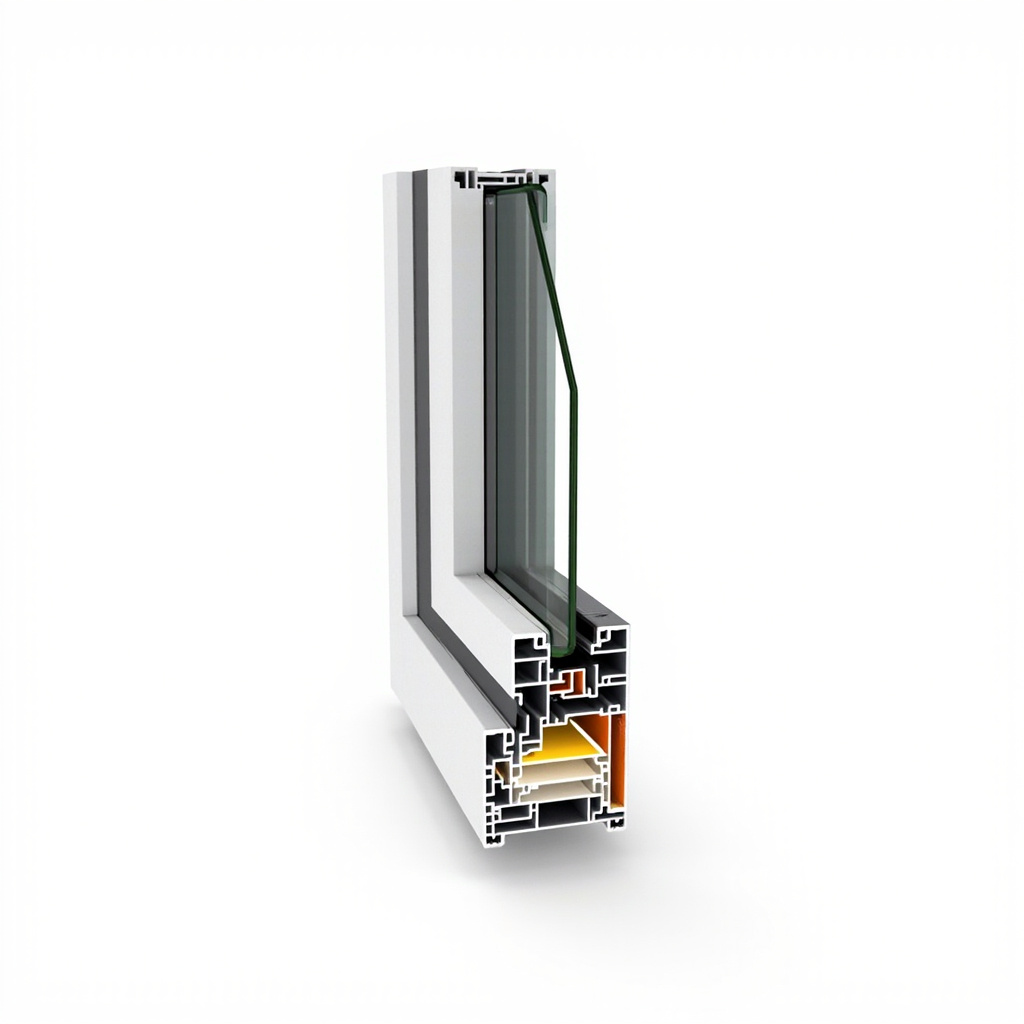
Advances in thermal break technology have completely transformed the thermal performance picture, enabling contemporary aluminum windows to meet and exceed stringent energy codes while maintaining their structural advantages and design flexibility. Modern thermal break aluminum windows achieve U-factors below 1.0 W/m2K in most configurations, meeting ENERGY STAR requirements and exceeding code minimums in all climate zones. This thermal performance transformation has expanded aluminum window market opportunities into previously unavailable residential and commercial applications.
Thermal Break Technology in Fenestration
Thermal break aluminum windows feature polyamide or polyurethane barriers that interrupt heat flow through the frame, reducing thermal bridging by 80 to 95 percent compared to non-thermal break alternatives. The thermal break material is mechanically connected to both interior and exterior aluminum profiles, providing structural support while maintaining thermal separation. This engineering approach delivers the strength advantages of aluminum while achieving thermal performance competitive with wood and vinyl alternatives.
The development of improved thermal break materials and connection systems continues to enhance aluminum window thermal performance. New polyamide formulations with enhanced thermal properties enable better insulation with thinner break sections, improving frame aesthetics while maintaining thermal advantages. These continued improvements ensure that aluminum windows will remain competitive as energy codes become more stringent worldwide.
Key Benefits of Aluminum Windows and Doors
Aluminum windows and doors deliver comprehensive benefits that address requirements across diverse building types and climate conditions. These benefits span performance, durability, aesthetics, and sustainability considerations that influence fenestration selection decisions.
Slim Profiles Maximizing Glass Area and Daylight
Aluminum inherent strength permits narrow frame sections that maximize glass area and daylight penetration into building interiors. In contemporary architecture where expansive views, generous natural light, and visual connection to outdoor spaces are highly valued design objectives, aluminum windows and doors excel at achieving these aspirations while maintaining structural integrity and weather performance. The slim profiles create clean sight lines that complement minimalist design philosophies while providing superior structural support for large glass panels that would overwhelm less capable framing materials.
Studies indicate that daylight access significantly impacts occupant wellbeing, productivity, and satisfaction in both residential and commercial settings. Maximizing window glass area while maintaining thermal performance enables buildings that support occupant health and performance through natural daylight access. Aluminum slim frame profiles enable more glass area per window unit compared to wood or vinyl frames of equivalent strength, providing greater daylight penetration and view areas.
Design Flexibility Enabling Architectural Expression
Aluminum can be extruded to accommodate virtually any profile design, enabling unique window shapes and configurations that express architectural creativity. Arched windows, trapezoidal configurations, triangular skylights, and completely custom shapes are readily achievable with aluminum framing systems. This design flexibility enables distinctive appearances that differentiate buildings from competitors while meeting functional requirements for thermal performance and weather resistance.
Surface treatment options including anodizing in numerous metallic colors and powder coating in any RAL color provide unlimited aesthetic possibilities that maintain their appearance through decades of environmental exposure. Anodized finishes penetrate the aluminum surface rather than coating it, providing color that cannot chip, peel, or fade while enhancing corrosion resistance. Powder coating offers unlimited color selection and texture options for projects requiring specific color matching or distinctive appearances.
Exceptional Durability for Long-Term Performance
Aluminum windows and doors are engineered to withstand decades of exposure to harsh weather conditions including extreme temperatures, heavy rain, high winds, and intense UV radiation. Quality hardware components including hinges, locks, rollers, and weatherstripping ensure smooth operation year after year. Unlike wood frames that can rot, warp, or suffer insect damage, or vinyl that may become brittle and crack over time, aluminum maintains its structural integrity, dimensional accuracy, and surface appearance throughout its extended service life of 30 to 50 years or more.
This durability translates to excellent long-term value despite potentially higher initial investment compared to alternative materials. When calculated over expected service life including replacement costs for shorter-lived alternatives, aluminum windows often prove to be the most economical choice. The durability advantage is particularly significant in harsh climates where alternative materials deteriorate rapidly, requiring expensive replacement before aluminum windows would need attention.
Minimal Maintenance Requirements
Aluminum corrosion-resistant properties minimize maintenance needs compared to other window and door frame materials. An occasional cleaning with water and mild detergent keeps frames looking new without requiring specialized cleaning products, staining, painting, or sealant application. The anodized or powder-coated surface finishes resist fading, chalking, and degradation from UV exposure that affects painted surfaces on other framing materials.
These low maintenance requirements prove particularly valuable in commercial applications where ongoing maintenance costs significantly impact overall operating expenses. Building managers appreciate windows and doors that continue to perform reliably without demanding attention from maintenance staff. The reduced maintenance burden frees resources for other building needs while ensuring that fenestration continues enhancing building appearance and performance.
Types of Aluminum Window Systems
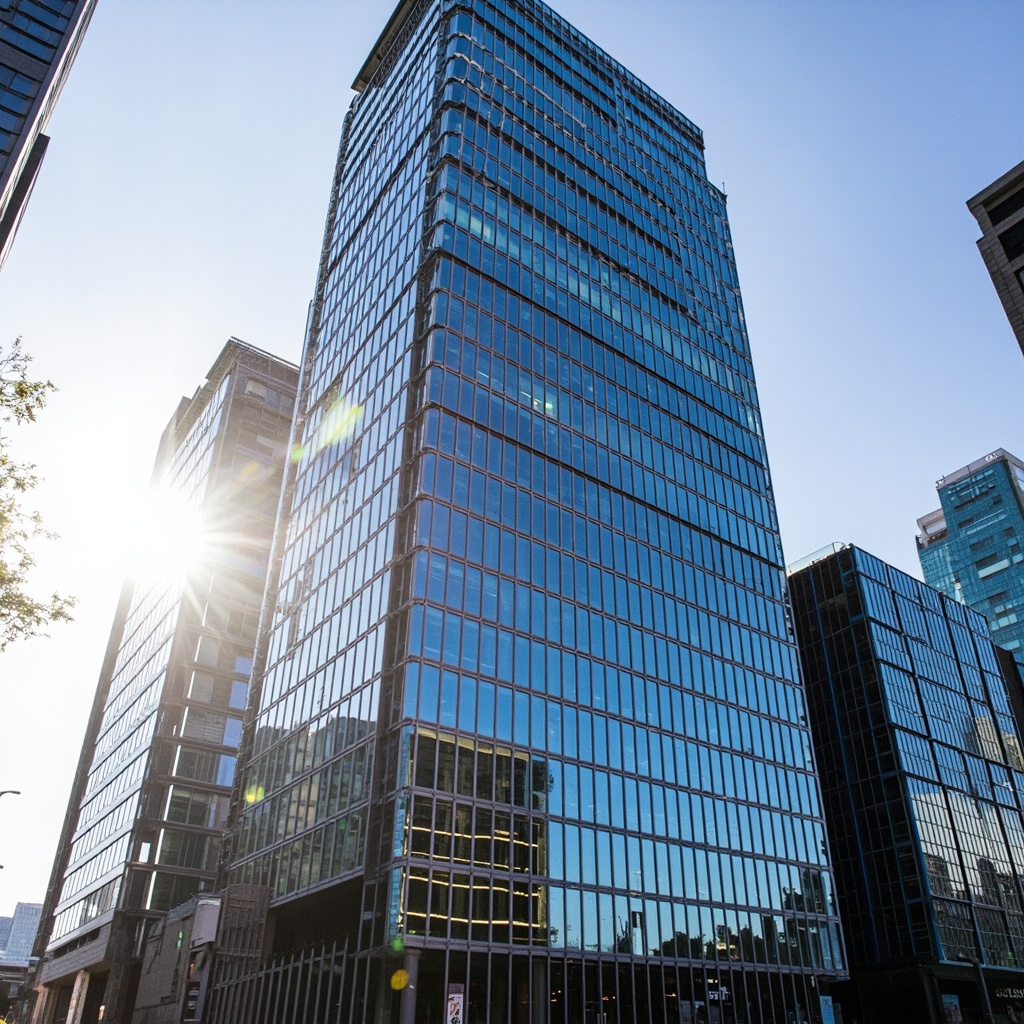
Aluminum window systems are available in several distinct types that offer different operating characteristics suited to specific applications. Understanding these window types helps architects and property owners select appropriate solutions for their projects.
Casement Windows for Optimal Ventilation
Casement windows feature frames attached to hinges at the sides, top, or bottom, opening outward or inward as a complete operating unit. Aluminum casement windows provide excellent weather sealing through compression-type weatherstripping that creates effective barriers against air infiltration and water penetration. The simple operating mechanism and tight seal make casement windows ideal for applications where ventilation performance and energy efficiency are primary considerations.
Casement windows with crank operators provide easy operation even in hard-to-reach locations like above kitchen sinks or near bathtub edges. Multi-point locking systems engage the frame at multiple locations when closed, providing enhanced security compared to single-point locks. These security features make casement windows popular for ground-floor applications where security is a primary concern.
Sliding Windows for Space-Efficient Operation
Sliding windows operate horizontally along tracks, with one or more panels sliding past fixed panels to provide ventilation and access. Aluminum sliding windows have earned popularity for their smooth operation and space-efficient design that requires no clearance area outside or inside for opening operation. This space efficiency makes sliding windows particularly valuable in tight spaces where casement window swing clearance would be problematic.
Large sliding panels create expansive openings that connect interior spaces with outdoor areas when weather permits, enhancing livability and connection to natural surroundings. Modern sliding door systems feature sophisticated roller designs that ensure smooth operation over years of heavy use while maintaining weather seal effectiveness. Screen inserts enable ventilation while preventing insect entry during seasons when doors are closed.
Tilt and Turn Windows for Versatile Operation
Tilt and turn windows offer two distinct opening modes: the sash tilts inward from the top for secure ventilation with child safety, or swings inward from the side for full opening and easy cleaning access. This versatile operating capability makes these windows popular in European architecture and increasingly specified worldwide. Aluminum tilt and turn systems provide the durability, weather resistance, and smooth mechanical operation that these complex window mechanisms require.
The tilt mode provides secure ventilation that prevents child escape while maintaining ventilation throughout the room. The turn mode enables full opening for emergency egress and complete access for cleaning both interior and exterior glass surfaces. This flexibility addresses multiple requirements with a single window type, simplifying specification and inventory for building projects.
Fixed and Picture Windows
Fixed windows provide unobstructed views and maximum daylight without any operating function. Aluminum fixed windows can accommodate very large glass areas while maintaining narrow profiles and structural integrity. Picture windows often combine fixed center sections with operating side panels for ventilation capability, providing views and daylight while maintaining some air circulation options.
Aluminum Door Systems for Every Application
Aluminum door systems serve diverse applications from residential entries to commercial entrances, with specific designs optimized for different requirements including security, accessibility, thermal performance, and aesthetic impact.
Sliding Patio Doors Connecting Indoor and Outdoor Spaces
Aluminum sliding patio doors create seamless transitions between interior living spaces and outdoor patios, decks, or gardens. Large glass panels maximize views and daylight while sophisticated thermal break technology maintains excellent energy performance. Multi-panel configurations enable wide openings that completely transform living spaces when weather permits indoor-outdoor living.
Modern sliding door hardware ensures consistent smooth operation over years of heavy use while maintaining weather seal effectiveness. Adjustable rollers accommodate installation variations while enabling fine-tuning for optimal door operation. Locking systems provide security while remaining easy to operate for all family members.
French Doors Combining Tradition with Modern Performance
French doors constructed with aluminum frames offer traditional double-door aesthetics with contemporary performance benefits. The narrower frames compared to wood or vinyl alternatives create larger glass areas and more contemporary visual appearance. Aluminum French doors can swing inward or outward depending on space requirements and architectural constraints.
Thermally broken aluminum frames provide energy performance that wood French doors cannot match, maintaining comfortable interior temperatures regardless of exterior conditions. The durability of aluminum frames eliminates the maintenance requirements of wood French doors, including painting, staining, and eventual replacement due to rot or weathering.
Entry Doors Making Lasting First Impressions
Aluminum entry doors combine strength, security, and design flexibility for residential and commercial applications where entrance appearance matters. Insulated aluminum door panels provide excellent thermal performance that reduces energy loss through frequently opened entrances. Glass inserts, decorative panels, and custom finishes create distinctive entrance treatments that enhance building aesthetics.
Commercial aluminum entry doors handle high traffic volumes while maintaining appearance and functionality. Panic hardware and automatic operators integrate with aluminum door systems to meet accessibility requirements while maintaining security features that commercial applications demand.
Conclusion: Premium Fenestration for Modern Buildings
Aluminum windows and doors represent sophisticated building products that successfully address contemporary architectural demands for aesthetics, performance, and lasting value. Their combination of slim profiles, design flexibility, durability, and modern thermal performance makes them suitable for virtually any application in residential and commercial construction.
CONTACT US


Foshan Naview New Building Materials Co., Ltd.
We are always here offering customers our reliable products and service.
If you want to liaise with us now, please click contact us