

Aluminum Fence vs Traditional Materials: Why Modern Properties Are Making the Switch
- By:Naview
- Date:2026-03-31
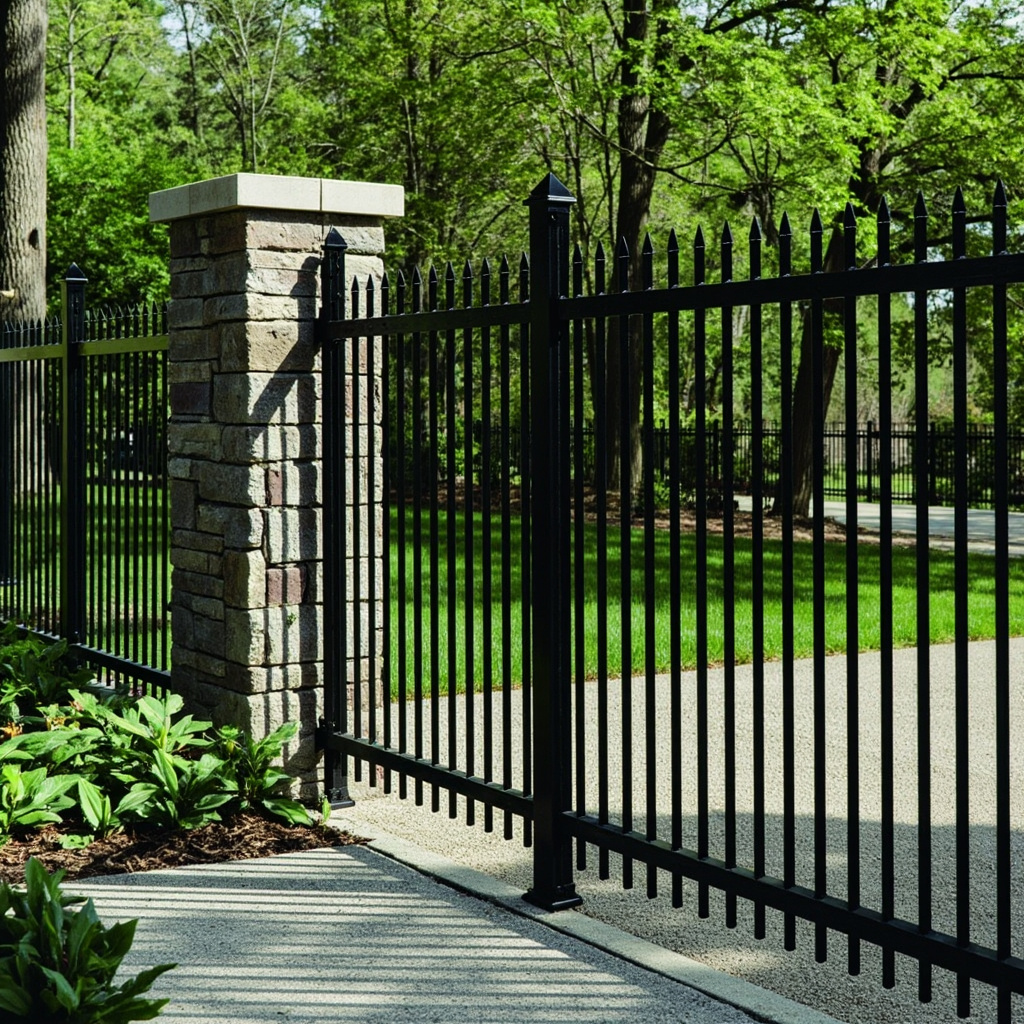
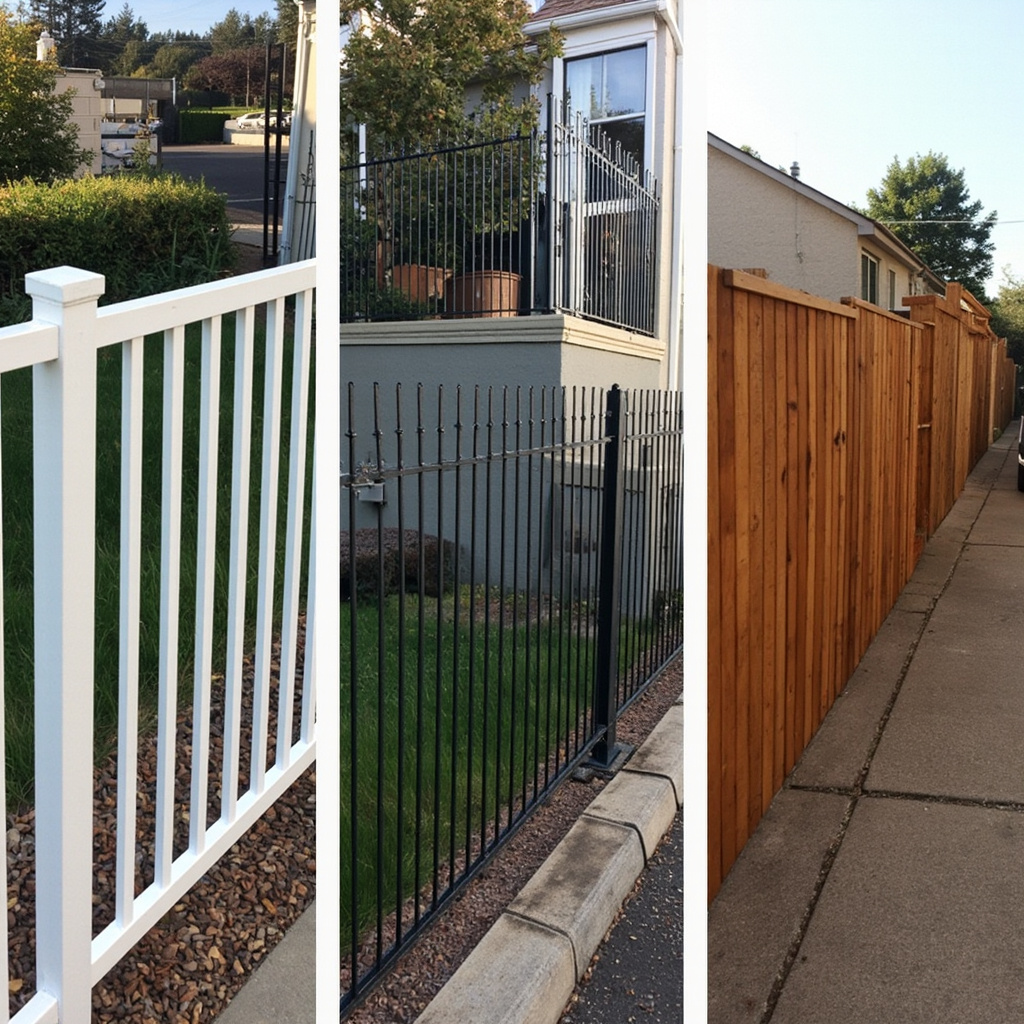
When it comes to securing and beautifying your property boundary, the material you choose for your fence makes all the difference in the world. Aluminum fencing has emerged as a leading choice for homeowners, architects, landscape designers, and property developers who want a perfect balance of strength, aesthetics, and long-term value. Unlike traditional wood or iron fences, aluminum offers a modern solution that stands the test of time with minimal maintenance required while providing exceptional durability against harsh weather conditions. This comprehensive guide explores every aspect of aluminum fencing, from its historical evolution to its numerous advantages over traditional materials, making it the definitive resource for property owners considering fence installation or replacement.
The global aluminum fencing market has experienced remarkable growth over the past decade, with market value increasing from approximately 2.1 billion USD in 2019 to an estimated 3.8 billion USD in 2024, representing a compound annual growth rate of approximately 12.5 percent. This growth trajectory reflects the increasing recognition among property owners and construction professionals of aluminum fencing exceptional value proposition. Industry analysts project continued strong growth through 2030, driven by rising demand for sustainable building materials, increasing construction activity in urban areas, and growing awareness of aluminum fencing benefits among residential property owners.
The Evolution of Property Fencing Solutions Throughout History
Property fencing has evolved dramatically over the centuries, from primitive barriers constructed of wood, stone, and available natural materials to sophisticated modern fencing systems that combine aesthetic appeal with functional excellence. Ancient civilizations utilized whatever materials were readily available in their regions, with wooden posts, stone walls, and woven branches serving as the primary fencing materials for thousands of years. The Industrial Revolution brought iron fencing to prominence, as manufacturing advances made iron more accessible and affordable for property owners across economic classes.
Traditional fencing materials like wood and iron served their purpose adequately throughout history, but they came with inherent limitations that modern property owners increasingly find unacceptable in today’s fast-paced world where time for maintenance is precious and limited. Wood fences, while initially attractive and traditional in appearance, succumb to rot, insect damage, and weathering within relatively few years of installation, typically requiring significant repair or complete replacement within 15 to 20 years depending on climate conditions and maintenance practices. Iron fences, though stronger than wood and capable of supporting more elaborate designs, develop rust and corrosion that not only diminishes their visual appeal but also compromises their structural integrity over time, often requiring expensive restoration work or replacement to maintain security and appearance.
The introduction of aluminum as a fencing material represented a paradigm shift in how property owners approach boundary definition, security, and aesthetic enhancement. Aluminum combines the best attributes of its predecessors while eliminating their most significant drawbacks, creating a fencing solution that delivers lasting value, exceptional durability, and timeless aesthetic appeal that enhances any property type. The development of modern aluminum fencing began in earnest during the 1960s and 1970s as extrusion manufacturing techniques improved and powder coating technologies matured, enabling mass production of affordable yet high-quality aluminum fencing products that could compete effectively with traditional materials on both price and performance.
Understanding Aluminum Fence Manufacturing and Material Properties
Aluminum fences are manufactured through an extrusion process where heated aluminum billets are forced through precision-engineered dies to create the desired profile shapes. The most commonly used aluminum alloy for fencing applications is 6063-T5, which offers an optimal balance of strength, workability, corrosion resistance, and surface finish quality. The T5 temper designation indicates that the aluminum has been artificially aged after solution heat treatment, resulting in a material that is fully aged and stabilized for maximum strength and hardness while maintaining good formability characteristics.
The chemical composition of 6063 aluminum alloy includes approximately 0.2 to 0.6 percent magnesium, 0.3 to 0.9 percent silicon, trace amounts of iron, copper, manganese, chromium, zinc, and titanium, with the balance being aluminum. This specific composition was developed through decades of metallurgical research to optimize the combination of extrusion characteristics, mechanical properties, and corrosion resistance that fencing applications require. The extrusion process itself allows for incredible design flexibility, enabling manufacturers to create complex profile shapes with integrated features such as mounting channels, decorative elements, and reinforcement ribs that enhance both functionality and aesthetic appeal.
Following extrusion, aluminum fence components undergo several surface treatment processes to enhance their appearance and durability. The most common finishing method is powder coating, which applies a dry powder to the aluminum surface using electrostatic attraction before curing at elevated temperatures to create a smooth, durable finish. Powder coating offers numerous advantages over traditional liquid paint, including superior coverage on edges and corners, excellent adhesion to properly prepared aluminum surfaces, resistance to chipping, scratching, and fading, and environmental benefits including elimination of volatile organic compound emissions during application. Quality powder coated aluminum fences typically maintain their appearance for 20 to 30 years or longer with minimal maintenance, representing significant advantages over painted or stained wood fences.
Comprehensive Analysis: Aluminum Fencing Versus Traditional Materials
When evaluating fencing materials, property owners should consider multiple factors including initial cost, long-term maintenance requirements, lifespan, durability, aesthetic options, and environmental impact. The following comprehensive analysis compares aluminum fencing with traditional wood and iron fencing across all major decision criteria, providing the detailed information property owners need to make informed choices about their fencing investments.
Initial Cost Comparison and Total Cost of Ownership Analysis
Aluminum fencing typically costs between 25 to 45 USD per linear foot for materials and professional installation, placing it in the mid-range compared to other fencing materials. Wood fencing ranges from 15 to 35 USD per linear foot depending on wood species and fence height, while iron fencing ranges from 30 to 60 USD per linear foot for standard designs, with ornamental iron potentially costing significantly more. At first glance, wood appears to offer the lowest initial cost, but this analysis fails to account for ongoing maintenance expenses and replacement costs that dramatically affect total cost of ownership over time.
When calculated over a 30-year period including initial installation, ongoing maintenance, and eventual replacement, aluminum fencing often proves to be the most economical choice despite its moderate initial cost. Wood fencing requires staining or sealing every 2 to 3 years at a cost of approximately 2 to 4 USD per linear foot, painting every 5 to 7 years at 3 to 5 USD per linear foot, and board replacement for damaged, warped, or rotted sections throughout its lifespan. Iron fencing requires annual inspection for rust spots, rust removal and priming as needed, and repainting every 3 to 5 years. These ongoing maintenance costs, combined with the likelihood of complete replacement for wood fences after 15 to 20 years and iron fences after 20 to 25 years, make aluminum fencing the clear winner in total cost of ownership calculations for most property types.
Lifespan and Durability Performance Analysis
Properly installed and maintained aluminum fencing typically lasts 30 to 50 years or longer, representing one of the longest lifespans among common fencing materials. This exceptional longevity results from aluminum inherent corrosion resistance and the durability of quality powder coating finishes that resist UV degradation, scratching, chipping, and environmental damage. Unlike wood that eventually rots despite regular maintenance or iron that develops rust that compromises structural integrity, aluminum fencing maintains its appearance and structural characteristics throughout its extended service life with minimal care beyond occasional cleaning.
Aluminum fences demonstrate excellent resistance to the environmental factors that damage other fencing materials. Aluminum does not absorb moisture that causes wood rot, does not warp or split when exposed to temperature fluctuations, and does not become brittle or crack in cold weather conditions. The powder coating finish protects the underlying aluminum while maintaining its flexibility and adhesion characteristics through thousands of freeze-thaw cycles. In coastal environments where salt air accelerates corrosion of iron and other metals, aluminum fencing performs exceptionally well due to the protective oxide layer that forms naturally on aluminum surfaces, providing decades of reliable service where iron fencing would require constant maintenance and eventual replacement.
Maintenance Requirements and Care Comparison
The maintenance requirements for aluminum fencing are minimal compared to traditional fencing materials, requiring only occasional cleaning to maintain its attractive appearance. Unlike wood fences that demand regular staining, sealing, and painting to prevent deterioration, aluminum fences maintain their finish without any of these time-consuming and expensive treatments. The thermosetting powder coating used on quality aluminum fences resists fading, chalking, and degradation from UV radiation exposure, maintaining its original color and gloss for many years without repainting or refinishing.
Property owners can expect to spend less than one hour per year on average maintaining an aluminum fence, compared to 15 to 25 hours annually for wood fencing when accounting for cleaning, staining, repairs, and preparation work. This dramatic difference in maintenance time translates to significant labor cost savings for property owners who would otherwise pay for professional maintenance services or invest their own valuable personal time in fence care. The minimal maintenance requirements of aluminum fencing prove particularly valuable for commercial properties, homeowner associations managing multiple fence sections, and property owners who simply do not have the time or inclination for regular fence maintenance activities.
Design Flexibility and Aesthetic Options in Aluminum Fencing
Aluminum fencing is available in an extraordinarily diverse range of styles, colors, heights, and decorative options that complement virtually any architectural design concept or property type. From sleek contemporary horizontal slat designs that create a modern, sophisticated appearance to ornate traditional picket patterns with decorative finials, scrollwork, and elaborate top treatments that evoke timeless elegance, aluminum fencing offers unlimited aesthetic possibilities for discerning property owners. This design flexibility enables architects, landscape designers, and property owners to select fencing that enhances their properties overall appearance while providing the security and boundary definition that fencing must deliver.
Contemporary and Modern Aluminum Fence Designs
Modern architectural styles have driven significant innovation in aluminum fence design, resulting in contemporary options that feature clean lines, geometric patterns, and minimalist aesthetics. Horizontal aluminum slat fencing has become increasingly popular for modern homes, creating distinctive visual boundaries that complement contemporary architecture while providing security and property definition. These fences typically feature aluminum boards or slats arranged horizontally with varying spacing between elements to achieve different levels of privacy, visibility, and visual interest. Some designs incorporate narrow vertical accents between horizontal slats, creating dynamic shadow patterns that change throughout the day as sunlight angles shift.
Sleek flat-top aluminum fences offer another contemporary option, featuring clean horizontal top rails without decorative elements that would interrupt the minimalist aesthetic. These fences work exceptionally well with modern and transitional architecture styles, providing boundary definition without competing with the architectural features that property owners want to showcase. Glass panel aluminum fences represent the ultimate contemporary option, incorporating glass panels between aluminum posts to create transparent boundaries that maintain sight lines while providing security and property definition.
Traditional and Ornamental Aluminum Fence Styles
For properties featuring traditional architecture including colonial, Victorian, craftsman, and classical styles, ornamental aluminum fencing offers numerous options that enhance period-appropriate aesthetics. Victorian-inspired aluminum fences feature ornate decorative tops with pointed finials, intricate scrollwork patterns, and elaborate design elements that echo traditional wrought iron fencing while providing modern performance characteristics. These fences frequently incorporate multiple rail configurations, varied picket spacing patterns, and sophisticated post caps that create formal, distinguished property boundaries suitable for historic homes and traditional landscape designs.
Colonial-style aluminum fences offer similar traditional aesthetics with cleaner lines and more balanced proportions suited to Georgian, Federal, and American craftsman architectural styles. These fences typically feature equally spaced vertical pickets topped with simple geometric finials, creating formal boundaries that complement traditional architecture without the elaborate ornamentation of Victorian designs. Estate and manor aluminum fences represent the most substantial traditional options, featuring heavy-grade materials, taller heights, wider panels, and more elaborate decorative elements that create imposing boundaries befitting prestigious properties.
Applications of Aluminum Fencing Across Property Types
Aluminum fencing serves diverse applications across residential, commercial, industrial, and institutional property types, with specific designs and specifications tailored to each application unique requirements. Understanding these application-specific requirements helps property owners and design professionals select the most appropriate aluminum fencing solutions for their specific needs.
Residential Property Applications
For homeowners, aluminum fencing provides elegant solutions for numerous residential applications including yard enclosures, pool barriers, garden boundaries, pet containment areas, and decorative accent installations. The safety features of aluminum fencing prove particularly valuable for families with children and pets, as sturdy construction prevents unauthorized access to pools and other hazardous areas while maintaining clear visibility and natural ventilation throughout the yard. Aluminum pool fences meet stringent safety codes established by organizations including the U.S. Consumer Product Safety Commission, which requires pool barriers at least 48 inches high with no openings greater than 4 inches that could allow child access.
Residential aluminum fencing enhances property value by improving curb appeal and creating attractive boundaries that contribute to neighborhood aesthetics. Real estate studies indicate that attractive fencing can increase property values by 5 to 15 percent depending on property type, location, and neighborhood characteristics, making aluminum fencing a sound investment for property owners concerned with maximizing their real estate assets. The wide variety of available styles enables homeowners to select fencing that complements their homes architectural style, landscaping design, and personal aesthetic preferences while providing the security and boundary definition that residential properties require.
Commercial and Industrial Property Applications
Commercial and industrial properties benefit from aluminum fencing security features combined with professional aesthetics that project polished corporate images to customers, clients, and employees. Office parks, retail centers, and industrial facilities utilize aluminum fence systems to define property boundaries, control access points at entrances and exits, secure loading docks and storage areas, and create safe perimeters that withstand heavy use while maintaining their attractive appearance. The durability and low maintenance requirements of aluminum fencing prove particularly valuable for commercial properties where ongoing maintenance represents significant operational expenses that impact bottom-line performance.
Industrial aluminum fencing applications include equipment enclosures, security barriers, loading dock demarcation, and facility perimeters that require enhanced durability and corrosion resistance. Manufacturing facilities, warehouses, and distribution centers specify aluminum fencing for its ability to withstand harsh industrial environments while providing reliable security and boundary definition. The modular nature of many aluminum fence systems facilitates installation around existing equipment and infrastructure, minimizing disruption to ongoing operations during fence installation or modification projects.
Architectural and Landscape Integration Applications
Landscape architects and property designers specify aluminum fencing for exceptional design flexibility that enables harmonious integration with various outdoor elements and architectural features. Aluminum fences complement stone pillars, brick walls, wood decks, composite decking materials, and contemporary building products used in modern landscape design. The material works harmoniously with garden lighting systems, irrigation infrastructure, and other outdoor elements without interfering with underground utilities, drainage systems, or existing landscape features.
Custom aluminum fence designs can incorporate integrated features including lighting fixtures, decorative panels, gates with automated operators, and climbing plant supports that enhance landscape functionality and aesthetics. These custom integrations eliminate the need for separate installations while creating cohesive design schemes that would be difficult or impossible to achieve with other fencing materials. The ability to fabricate aluminum fencing in custom colors and finishes enables designers to coordinate fence appearance with other site elements including building exteriors, hardscape materials, and landscape plantings.
Environmental Benefits and Sustainability Considerations
Aluminum fencing offers significant environmental advantages compared to traditional fencing materials, supporting sustainability objectives that increasingly influence material selection decisions for environmentally conscious property owners and construction professionals. These environmental benefits span the entire product lifecycle from manufacturing through installation, use, and end-of-life recycling.
Recyclability and Circular Economy Benefits
Aluminum is one of the most recyclable materials used in construction, with approximately 75 percent of all aluminum ever produced still in use today through continuous recycling programs. Unlike wood that decomposes in landfills contributing to methane emissions or vinyl that poses significant recycling challenges due to its chlorine content and composite materials, aluminum can be recycled indefinitely without loss of properties or quality. This infinite recyclability makes aluminum fencing an excellent choice for property owners concerned with minimizing environmental impact and supporting circular economy principles.
The recycling process for aluminum requires only approximately 5 percent of the energy needed to produce primary aluminum from bauxite ore through the Hall-Heroult electrolytic process, making aluminum recycling one of the most energy-efficient material recovery processes available. This dramatic energy savings translates directly to reduced carbon emissions and environmental impact, with each ton of recycled aluminum saving approximately 9 tons of carbon dioxide emissions compared to primary aluminum production. The aluminum fencing in your yard today may have been recycled from beverage cans, automotive components, or previously installed aluminum building products, exemplifying the continuous cycling of aluminum through multiple product lifecycles.
Manufacturing and Installation Environmental Impacts
Modern aluminum extrusion manufacturing facilities utilize efficient processes that minimize waste, energy consumption, and environmental emissions. The extrusion process produces minimal scrap material compared to subtractive manufacturing methods, with any scrap generated being immediately recycled back into the production process. Advanced furnace technologies improve energy efficiency during billet heating while sophisticated emissions control systems minimize air quality impacts from manufacturing operations.
The lightweight nature of aluminum fencing reduces transportation fuel consumption and associated emissions during distribution compared to heavier fencing materials like steel or iron. Aluminum fence components can be shipped more efficiently than alternatives, with more fence linear feet fitting into each shipping container or truckload. This transportation efficiency further reduces the environmental footprint of aluminum fencing while providing cost savings that benefit both manufacturers and property owners.
Installation Best Practices and Guidelines
Proper installation is essential for ensuring optimal performance, longevity, and appearance from aluminum fencing investments. While aluminum fence systems are designed for relatively straightforward installation compared to some alternatives, following manufacturer guidelines and industry best practices ensures that fences perform reliably throughout their service life.
Site Preparation and Layout Planning
Successful aluminum fence installation begins with thorough site preparation and accurate layout planning. Property owners or installation professionals should verify property boundary locations to ensure fences are installed on private property rather than encroaching on neighboring properties or public rights-of-way. Professional survey services can confirm boundary locations where uncertainty exists, preventing disputes and potential relocation requirements after installation.
Site evaluation should identify potential obstacles including underground utilities, drainage systems, tree roots, and changes in elevation that may affect fence installation. Underground utility locate services should be contacted to mark any buried cables, pipes, or other infrastructure before digging begins. Aluminum fences can accommodate gradual slope changes through raked installation techniques, but steep slopes may require stepped installation approaches that maintain fence height requirements while following grade changes.
Post Installation and Panel Attachment
Aluminum fence posts are typically set in concrete footings that provide stable support against wind loads and ground movement. Post spacing should follow manufacturer recommendations, which typically range from 6 to 8 feet depending on fence height, panel design, and wind exposure conditions. Deeper footing installation provides greater resistance to frost heave in cold climates and wind uplift forces in exposed locations.
Panel attachment to posts uses various methods depending on manufacturer design, with common approaches including screws through pre-drilled holes, clip systems that engage mounting channels in posts, and rail insertion into integral brackets. Regardless of attachment method, proper alignment and leveling during installation ensures that fence panels hang correctly and operate smoothly through gates and access points.
Conclusion: The Clear Choice for Modern Property Fencing
The shift toward aluminum fencing reflects a broader recognition among property owners, construction professionals, and design experts that modern construction materials should deliver lasting performance without imposing heavy maintenance burdens that compound over time. With its exceptional combination of durability, aesthetic versatility, sustainable properties, and cost-effective lifecycle value, aluminum fencing represents the smart investment choice for any property owner looking to enhance security, define boundaries, and add lasting value to their real estate assets.
Whether specifying aluminum fencing for a luxury waterfront estate, a contemporary suburban home, a commercial office complex, or an industrial facility, the material performance characteristics and design flexibility ensure that appropriate solutions exist for every application. The initial investment in quality aluminum fencing pays dividends through decades of reliable service, minimal maintenance requirements, and sustained visual appeal that enhances property aesthetics and values. Consider aluminum fencing for your next property improvement project and experience the numerous benefits that modern aluminum technology brings to traditional fencing applications.
CONTACT US


Foshan Naview New Building Materials Co., Ltd.
We are always here offering customers our reliable products and service.
If you want to liaise with us now, please click contact us