

Aluminium Soundproof Windows: Buyer’s Guide
- By:Naview
- Date:2026-10-28
Traffic noise ruins more good bedrooms than bad mattresses do. Most buyers who ask us for aluminium soundproof windows arrive after one sleepless week beside a highway. They want quiet, and they want it specified, not promised. That is a fair demand, and the numbers behind it are more precise than most salespeople admit. I run production at NA-VIEW, an aluminium extrusion and window factory with 11 years of experience behind 6 production lines. Together they ship more than 500 profiles per day at ±0.5 mm tolerance, under ISO 9001, to over 30 countries. A growing share of those orders now carries a sound rating on the drawing. This article explains how aluminium soundproof windows are actually engineered. It covers where noise leaks, which glazing choices move the needle, which frame details matter, and which test reports you should demand before paying a deposit. Read it before you compare quotations, because two windows with identical frames can differ by 12 dB once the details are handled.
What Aluminium Soundproof Windows Actually Deliver
Start with the honest physics. No window is soundproof in the literal sense, and any supplier who uses that word loosely deserves a follow-up email. What engineers specify instead is a sound reduction index. In Europe, the metric is Rw, measured in decibels under laboratory conditions per EN ISO 10140. North American projects, meanwhile, quote the STC rating. Both numbers describe how much airborne sound the complete window assembly blocks. A 10 dB improvement sounds roughly half as loud to the human ear. That is why the difference between Rw 28 and Rw 38 is not a detail. It is the difference between hearing every bus and hearing nothing at all. Aluminium soundproof windows exist to move you along that scale. The frame material matters less than the system around it. Glass, cavity, seals, and installation decide most of the result. Nonetheless, aluminium earns its place in the acoustic conversation for reasons the next section explains.
Rw, STC, and the Numbers That Matter
Ratings look abstract until you anchor them to real streets. The table below lists common environments and the window performance typically needed to restore indoor calm. Use it as a target for your aluminium soundproof windows project, not a guarantee, because site conditions shift the numbers. For a proper laboratory measurement, laboratories test the full assembly per EN ISO 10140, and the result feeds the CE declaration under EN 14351-1. Meanwhile, North American projects usually quote STC per ASTM E413. The two scales run close but not identical, so never mix them in one specification.
| Noise Environment | Outdoor Level | Target Indoor | Window Rating Needed |
|---|---|---|---|
| Quiet suburb | 45-55 dB | 30-35 dB | Rw 25-30 |
| Busy urban street | 65-75 dB | 30-35 dB | Rw 35-40 |
| Arterial road, 50 m | 70-80 dB | 30-35 dB | Rw 40-45 |
| Railway, 100 m | 75-85 dB | 30-35 dB | Rw 42-48 |
| Airport approach path | 80-95 dB | 35 dB | Rw 45-52 |
Two lessons hide inside that table. First, every additional 10 dB of target gets progressively harder to buy. The jump from Rw 30 to Rw 40 costs real money in glass thickness and frame design. Second, the target column matters more than the rating column. Chasing the highest number available wastes budget when the street outside only demands 35. A competent supplier therefore starts your aluminium soundproof windows quotation from the noise source, not from the catalogue.
Where Noise Actually Enters a Window
Before spending on glass, find the leaks. Sound travels through any path of least resistance, and windows offer several. The glass itself is only one of them. In field surveys, we routinely find that sealing failures, not glazing, limit a window’s rating. A 3 mm gap around a sash can undo 10 dB of expensive acoustic glazing. Air and sound are close cousins here. If a window passes EN 12207 airtightness at class 4, it usually also holds its acoustic rating in service. Air leaks, after all, are sound leaks. This is the single most common disappointment we meet in aluminium soundproof windows retrofit projects. The buyer paid for Rw 40 glass, then the installer left the perimeter unsealed. Aluminium soundproof windows perform as a system, or they do not perform at all.
The Four Leak Paths
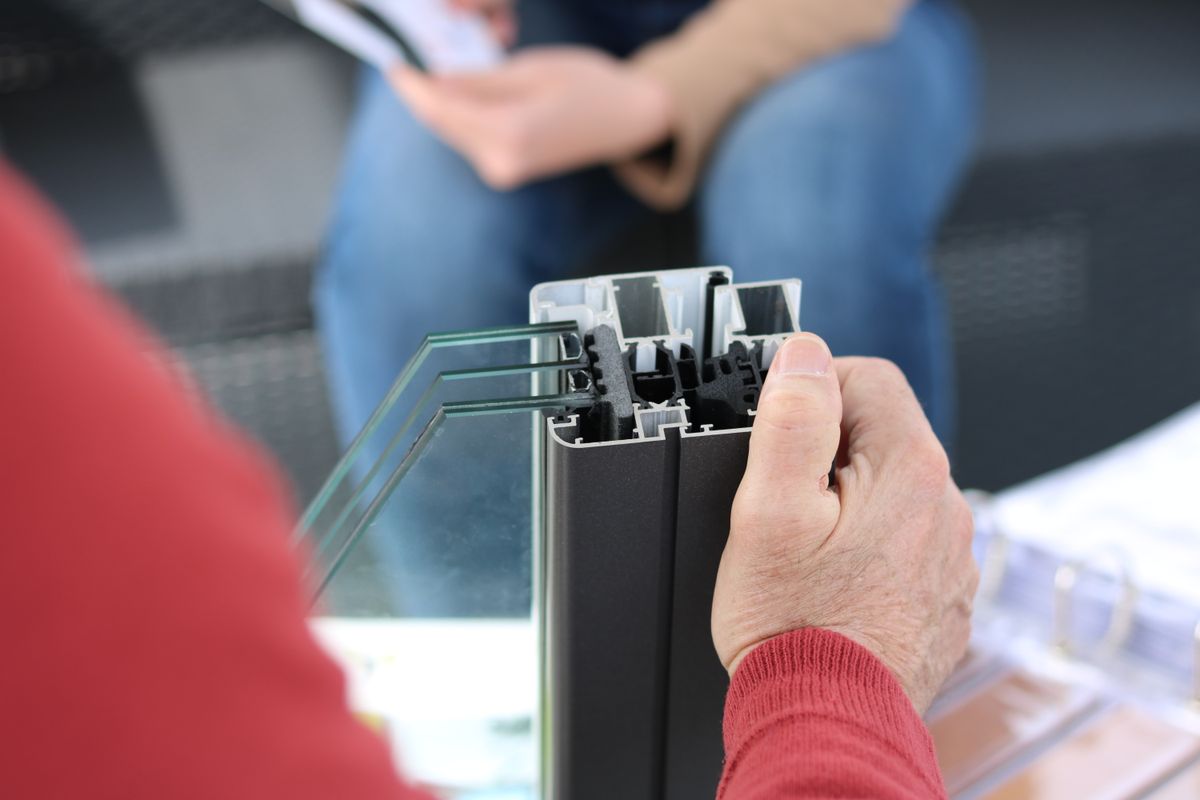
Walk through them in order, because each one has a different fix. First, direct air leakage through sash and frame gaskets. Compression seals age, shrink, or were never adjusted properly at the factory. Second, the cavity between window and wall opening. Even a quality window fails if installers foam the gap with open-cell foam and call it done. Third, vibration. Single thin glass panes act like drum skins at low frequencies, which is why traffic rumble passes straight through cheap units. Fourth, flanking paths. Sound bypasses the window entirely through walls, floors, or ventilation gaps. No window fixes that, and an honest engineer says so during the survey. Aluminium soundproof windows quoted without a site survey inherit every one of those risks. Consequently, a serious aluminium soundproof windows supplier asks for site photos and noise readings before quoting. Suppliers who quote from a floor plan alone are selling glass, not quiet.
Why Aluminium Frames Help Here
Frame stiffness is the quiet advantage of metal. Aluminium’s elastic modulus sits near 69 GPa, so frames hold their geometry under wind load for decades. Gaskets stay compressed because the sash never twists. That stable geometry is precisely what keeps EN 12207 airtightness class 4 true in year ten, not just on delivery day. A warped frame relaxes its seals and sheds decibels every winter. Additionally, aluminium soundproof windows carry heavy acoustic glass without growing fat. Laminated units for airport-adjacent projects can exceed 40 kg per pane area. uPVC needs broad steel reinforcement for that duty, while a thermally broken aluminium frame carries it with slim sightlines. Our thermal break aluminium windows guide explains how the polyamide barrier also interrupts frame vibration paths. In short, aluminium soundproof windows hold their rating because the frame holds its shape.
The Glazing Does Most of the Acoustic Work
Now to the part that moves numbers. Glass choice contributes more to sound reduction than any other single decision. Three tools dominate: laminate interlayers, asymmetric pane thickness, and cavity width. Each attacks a different part of the sound spectrum. Used together, they lift a standard double glazed unit from Rw 30 toward Rw 45. Our aluminium double glazed windows guide covers the thermal side of the same choices. For aluminium soundproof windows, the logic differs from the U-value logic, and buyers who conflate the two waste money. Thick glass is not automatically quiet glass. Mass helps, but resonance and the coincidence effect can erase it at certain frequencies. Smart glazing spreads the resonances apart instead of simply adding mass. Aluminium soundproof windows earn their rating from that spread.
Laminated Acoustic Glass
Laminated panes sandwich a polyvinyl butyral interlayer between two glass sheets. The interlayer damps vibration, converting acoustic energy into small amounts of heat. A standard 6.4 mm laminate already outperforms 6 mm monolithic glass by several dB. Acoustic-grade PVB pushes further, adding 3 to 5 dB over standard laminate in the speech-frequency band. The damping matters most exactly where human hearing is sensitive, between 100 Hz and 3,000 Hz. Traffic, voices, and music all live in that band. Therefore, every serious aluminium soundproof windows specification we write includes at least one laminated pane. The cost premium runs modest against the result, typically 10 to 20 percent over plain laminated glass.
Asymmetric Panes and Wider Cavities
Identical panes resonate together, which creates a weak spot in the spectrum. Asymmetry breaks that coincidence. A 6/16/10 unit, meaning 6 mm outer glass, 16 mm cavity, 10 mm inner laminate, blocks sound measurably better than a 6/16/6 unit. The panes simply refuse to resonate at the same frequency. Cavity width adds its own gain. Each extra 50 percent of air gap returns a few dB, with diminishing returns beyond roughly 50 mm. Wide cavities also serve thermal targets, so the same choice earns double credit. The table below shows how the configurations we fabricate most often stack up. Values assume laboratory testing per EN ISO 10140 on our thermally broken frame systems. Aluminium soundproof windows built on these build-ups behave predictably from batch to batch.
| Glazing Build-Up | Typical Rw | Relative Cost | Best For |
|---|---|---|---|
| 4/16/4 double glazed | 29-31 dB | Baseline | Quiet suburbs |
| 6/16/6 double glazed | 32-34 dB | +5% | Urban residential |
| 6/16/6.4 laminate | 35-37 dB | +15% | Busy streets |
| 6/16/10 asymmetric + acoustic PVB | 40-43 dB | +30% | Arterial roads |
| 8/20/10.8 triple laminate | 45-48 dB | +55% | Rail and airport zones |
Read the last column before the second one. Matching the build-up to the noise source is where a good acoustic specification earns its fee. Overshooting wastes budget, while undershooting disappoints tenants. Consequently, we quote aluminium soundproof windows in tiers, letting developers mix ratings across facades. A hotel rarely needs the same glass on its courtyard side as on its highway side.
Frame Details That Protect the Rating
Glass sets the ceiling, and the frame decides how much of it survives into reality. Several details separate windows that hold their rating from windows that quietly lose it. Start with the glazing gasket. Twin EPDM gaskets, compressed by design rather than by luck, seal both faces of every pane. Next comes the drainage strategy. Weep slots are essential for water, yet they also admit sound if left as straight open channels. Baffled drainage paths let water out while keeping noise largely outside. Then consider the sash interlock. On aluminium soundproof windows built as sliders, a deep interlock with dual brush-and-fin seals preserves acoustics that cheaper sliders surrender. Casements hold an advantage here, which our aluminium casement windows guide covers from the performance side. Multi-point locking pulls the sash square, keeping gasket compression even along the full perimeter.
Where the Profile Comes From
Profile quality underwrites every detail above. Tolerances decide whether gaskets seat properly, and dimensional discipline starts at the extrusion press. Our plant holds ±0.5 mm on profile dimensions, verified lot by lot under EN 755-9, and every billet ships with an EN 10204 Type 3.1 certificate. The 6063 vs 6061 alloy comparison explains why window profiles take the 6063-T5 route for surface finish and stiffness balance. In acoustic terms, a rigid, precise frame keeps compression seals honest for twenty years. That is the difference between a rating measured once and quiet measured daily. Aluminium soundproof windows therefore begin at the die, not at the glass cutter.
Testing Standards You Can Demand
Specifications without test reports are marketing. Fortunately, the standards ecosystem is mature, and aluminium soundproof windows can be audited on paper before a deposit is paid. In Europe, EN ISO 10140 governs laboratory measurement of airborne sound insulation for the complete window assembly. The result appears in the CE declaration of performance under EN 14351-1. Ask for the test report itself, not just the CE file, because the report shows the frequency spectrum. Meanwhile, Chinese-market projects follow GB/T 8478-2020, which grades airborne sound insulation alongside airtightness, watertightness, and wind load resistance. The companion grading standard for acoustics is GB/T 8485. North American projects typically quote STC per ASTM E413, sometimes with OITC for low-frequency traffic rumble. All of these documents exist in public catalogues, and you can verify the European ones in the CEN-CENELEC standards catalogue before quoting them to a supplier.
The Paperwork Checklist
Structure your aluminium soundproof windows tender around five documents. First, the EN ISO 10140 or GB/T 8485 laboratory report for the exact glazing build-up quoted. Second, the EN 14351-1 declaration of performance with the Rw value stated. Third, EN 12207 class 4 airtightness results, since air leaks are sound leaks. Fourth, EN 10204 Type 3.1 material certificates for the aluminium profiles. Fifth, finish documentation, whether Qualicoat-class powder coating or Qualanod anodising, so the seals survive as long as the rating. A supplier who produces all five without prompting has passed the cheapest audit you will ever run. Aluminium soundproof windows ordered from such a supplier rarely surprise anyone afterwards. Hesitation at this stage predicts harder conversations after the deposit clears.
Installation: The Last 5 Decibels
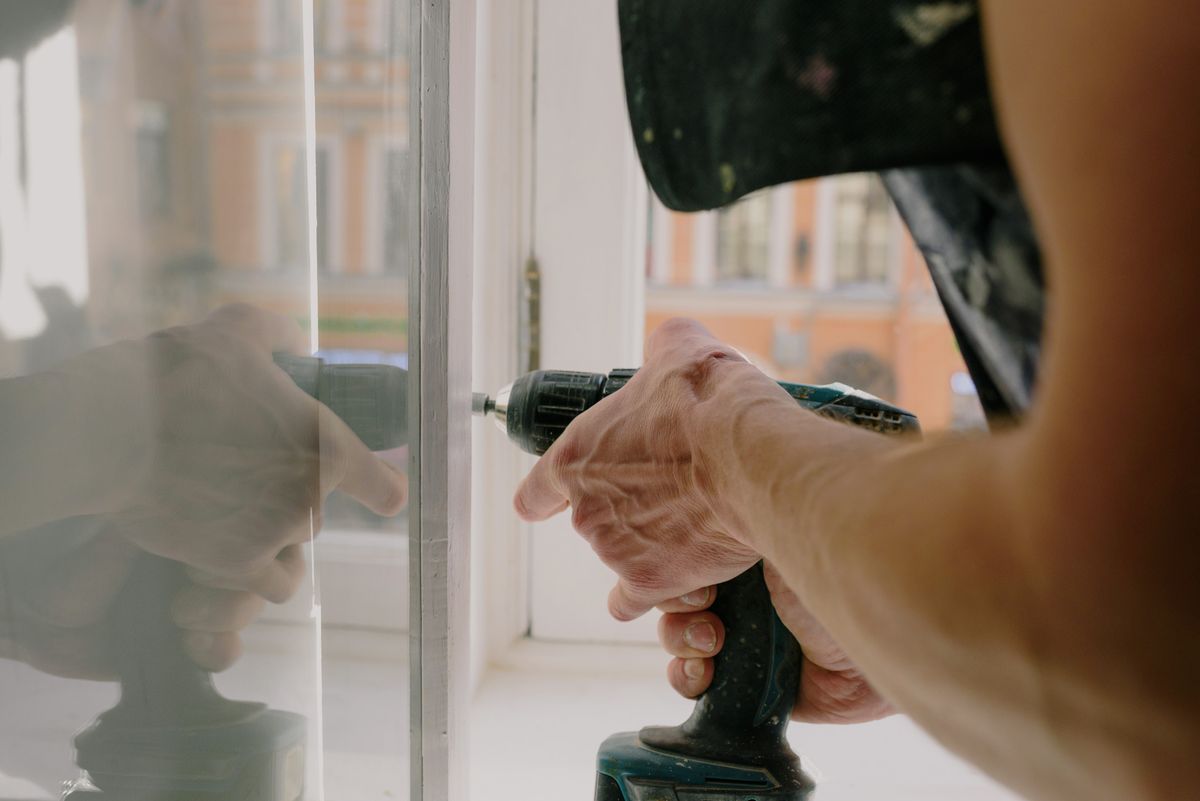
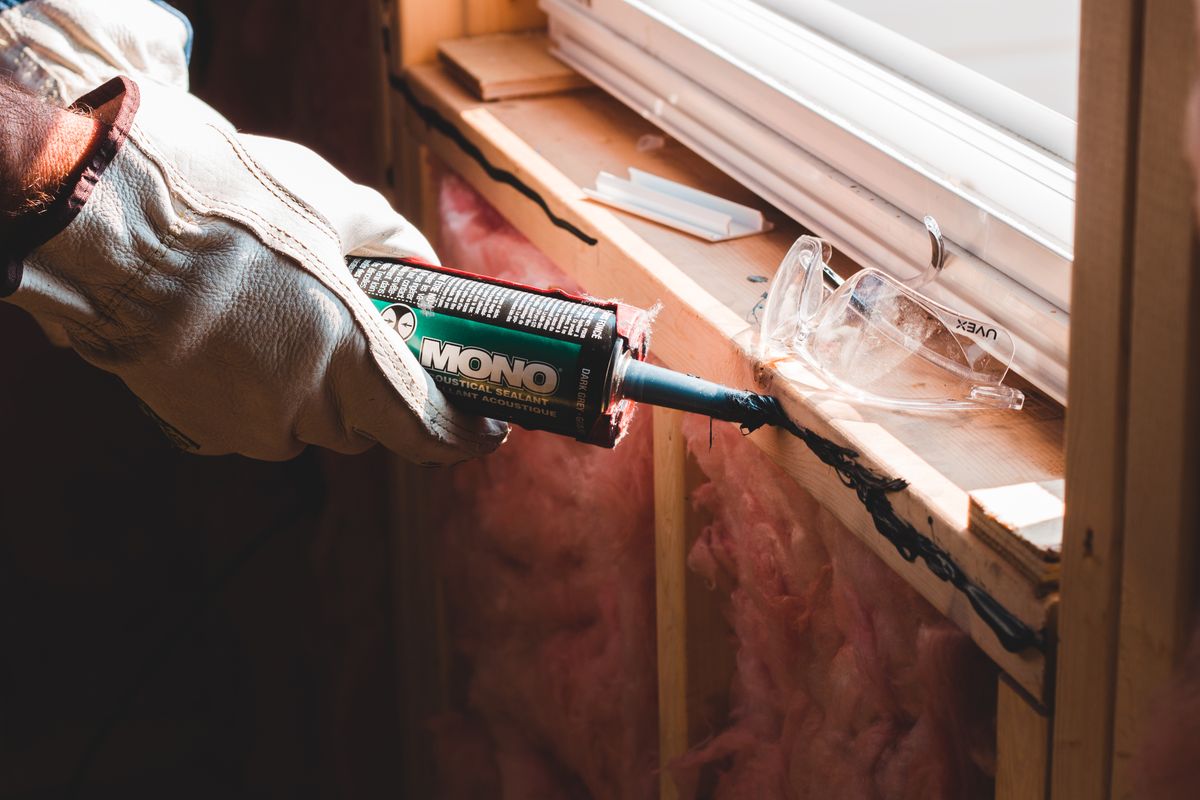
Factory perfection dies at the sill if the installer is careless. Field studies consistently show that installation quality can add or remove 5 dB from a laboratory rating. The wall opening must be square, within a few millimetres, and the frame set on setting blocks rather than shims of chance. Perimeter gaps should be filled with backer rod and closed-cell foam, then sealed with a continuous bead of neutral-cure silicone on both faces. Open-cell foam alone passes air, and air passes noise. Internally, the reveal should be sealed airtight, because cavity resonance can broadcast into the room. Finally, check the drainage after installation. A baffled weep path blocked by foam is a water problem waiting for rain. We supply installation drawings with every aluminium soundproof windows order, and we answer installer questions directly. Our extrusion tolerances guide explains the dimensional discipline that makes square openings achievable. Buyers who supervise installation protect an investment the factory cannot protect from here.
Matching Ratings to Real Projects
Eleven years of orders produce a consistent pattern, so we tabulate it. The table below matches real aluminium soundproof windows projects to the ratings and build-ups that satisfy them without overspending. Treat it as a starting point for discussion, then refine with site noise data. The surprising rows are the quiet ones. Courtyard-facing hotel rooms, for example, often justify budget glass, which frees budget for the street-facing wing.

| Project | Noise Source | Recommended Build-Up | Target Rw |
|---|---|---|---|
| Highway-side residential tower | Traffic rumble | 6/16/10 asymmetric laminate | 40-43 dB |
| Airport-adjacent hotel | Low-frequency flyover | 8/20/10.8 triple laminate | 45-48 dB |
| City-centre office | Street and HVAC | 6/16/6.4 acoustic laminate | 36-38 dB |
| School near railway | Pass-by events | 8/16/10 laminate, class 4 seals | 42-45 dB |
| Suburb villa | Garden and distant road | 6/16/6 double glazed | 32-34 dB |
| Hotel courtyard wing | Low ambient | 4/16/4 double glazed | 29-31 dB |
One more pattern deserves mention. Retrofit buyers often ask whether secondary glazing beats replacement. Inside heritage buildings with protected frames, secondary glazing remains the right answer. Elsewhere, a purpose-built aluminium soundproof windows package usually wins, because it fixes airtightness and acoustics in one step instead of stacking compromises.
What Aluminium Soundproof Windows Cost, Honestly
Budget questions deserve direct numbers, so here is how our quotations typically move. A standard thermally broken window with 4/16/4 glazing forms the baseline. Moving that same window to 6/16/6.4 acoustic laminate adds roughly 15 percent at the glass stage, which lands near 8 percent on the complete unit. The jump to a 6/16/10 asymmetric acoustic build-up adds 25 to 30 percent to the unit price. Airport-grade triple laminate systems reach 50 percent or more above baseline. Those figures assume export volumes around our 20 m² MOQ. At project scale, glass spreads the curve, and fabricators buy laminated stock in sheets rather than units. Aluminium soundproof windows therefore reward early, consolidated ordering. Splitting one development across three suppliers usually costs more than specifying everything through one line.
Two hidden lines deserve a mention as well. First, freight. Acoustic glazing is heavy glass, and DDP quotes on Rw 45 units run noticeably above Rw 30 units of the same footprint. Ask for landed cost, not factory-gate cost. Second, installation labour. Thick units and wide cavities need setting blocks, cranes on upper floors, and more careful handling. A quotation that ignores those lines will reappear later as a variation order. Aluminium soundproof windows pricing stays honest when the noise target, the build-up, and the installation scope travel together in one document. Then the comparison between quotations finally means something.
Quality Checks Before You Sign Anything
Whichever supplier you choose, run the same four checks before signing. First, confirm the acoustic test report matches the exact glazing build-up in your quotation, including glass thicknesses and interlayer type. Suppliers sometimes quote a rating measured on a thicker unit than they will deliver. Second, verify airtightness class, because a window that leaks air leaks sound regardless of glass. Third, ask for a sample corner or a factory video call showing gasket seats, drainage baffles, and locking points. Fourth, for GB-specified projects, confirm testing under GB/T 8478-2020 with the sound insulation grade stated separately, not folded into a marketing summary. These four questions cost ten minutes and have saved buyers more money than any negotiation. Aluminium soundproof windows are a system purchase, and systems get audited, not admired.
Working With NA-VIEW on Acoustic Packages
NA-VIEW fabricates thermally broken aluminium soundproof windows and complete acoustic packages for export projects worldwide. We quote from noise data rather than catalogue optimism, and we say plainly when a cheaper build-up will do. Our plant runs 6 production lines with more than 500 profiles per day, holding ±0.5 mm tolerance under ISO 9001, and exports to over 30 countries. Drawings come back within 7 days, samples within 3 days, and sample freight is free for qualified projects. Minimum order quantities start at 20 m² per specification. We accept payment by T/T, L/C, or PayPal for sample orders. Shipping terms cover FOB, CIF, and DDP, and every window ships in EPE-lined, steel-reinforced wooden crates. Standard lead time is 25 to 35 days after drawing approval. Send your site noise readings or opening schedule, and our engineers will return a tiered acoustic quotation within 24 hours, or request a quote here.
Frequently Asked Questions
Can aluminium windows really be soundproof?
Fully soundproof, no window achieves, but aluminium soundproof windows reach Rw 45 or higher when properly engineered. The gain comes from laminated acoustic glass, asymmetric panes, class 4 airtightness, and disciplined installation. Each contributes a few decibels, and together they halve perceived loudness versus a basic unit.
What is a good Rw rating for a bedroom window?
For a typical urban street, target Rw 35 to 40. Beside arterial roads or railways, 42 to 48 performs better. Compare the outdoor noise level against the indoor target in our first table. Buying beyond the target wastes budget that insulation or doors may need more.
Does thicker glass always mean quieter windows?
No. Mass helps, yet resonance and the coincidence effect can erase gains at certain frequencies. Asymmetric pane thickness and acoustic PVB interlayers beat raw thickness on both cost and performance. A 6/16/10 asymmetric unit routinely outperforms a heavier symmetric one.
Do I need a thermal break for sound insulation?
Acoustically, the break matters less than the glass. Practically, you want it anyway. A thermally broken frame prevents condensation, protects interior finishes, and signals a supplier who engineers seriously. Most aluminium soundproof windows pair an EN 14024 break with their glazing specification as standard.
What payment and shipping terms do you offer?
We accept T/T, L/C, and PayPal for sample orders. Shipping terms include FOB, CIF, and DDP depending on your port and project scale. Windows ship in EPE-lined, steel-reinforced wooden crates with corner protectors, and standard lead time runs 25 to 35 days after drawing approval.
What is your minimum order quantity?
MOQ starts at 20 m² per window specification, which suits villa renovations and mixed-facade developments alike. Larger projects gain better profile utilisation and lower unit prices. Free samples are available for qualified projects, and our team returns drawings within 7 days.
Can you match an acoustic rating to my site noise report?
Yes. Send the measured dB levels or even a site video, and our engineers translate them into a target Rw and a tiered glazing schedule. Facades facing different noise sources can carry different build-ups, which balances budget against comfort across the whole project.
The Bottom Line for Buyers
Quiet is engineered, not bought off a shelf. Specify aluminium soundproof windows from the noise source outward. Fix airtightness first, choose asymmetric laminated glazing second, and hold the frame supplier to test reports under EN ISO 10140, EN 14351-1, or GB/T 8478-2020. Supervise installation as if it were part of the rating, because it is. Buyers who follow that order get windows that stay quiet for decades, and buyers who skip it fund the most expensive glass in the building with the least quiet behind it.
Ready to quiet your project? Send NA-VIEW your noise data or window schedule today and receive a tiered acoustic quotation with Rw calculations within 24 hours. Free samples, 7-day drawings, 3-day samples, export packing included.
CONTACT US


Foshan Naview New Building Materials Co., Ltd.
We are always here offering customers our reliable products and service.
If you want to liaise with us now, please click contact us